

Operations · 6 min read
Vision AI team structure, and who owns the model after launch
The pilot worked and the ML team moved on. The second year belongs to a builder, an operator who reviews and approves, and someone who makes site two a repeat.
Summary
This post takes a plant with one successful vision pilot and no owner for its second year and describes the three jobs that year needs: the builder who gets a model to deployable, the operator who reviews doubted frames and approves the retrain, and the person who makes the second site a repeat rather than a project. It concludes that the operator is the role most teams forget to name and the one the loop depends on. It is for the managers deciding who the model belongs to.
Ayman Quadir · Head of Product · Oct 1, 2026
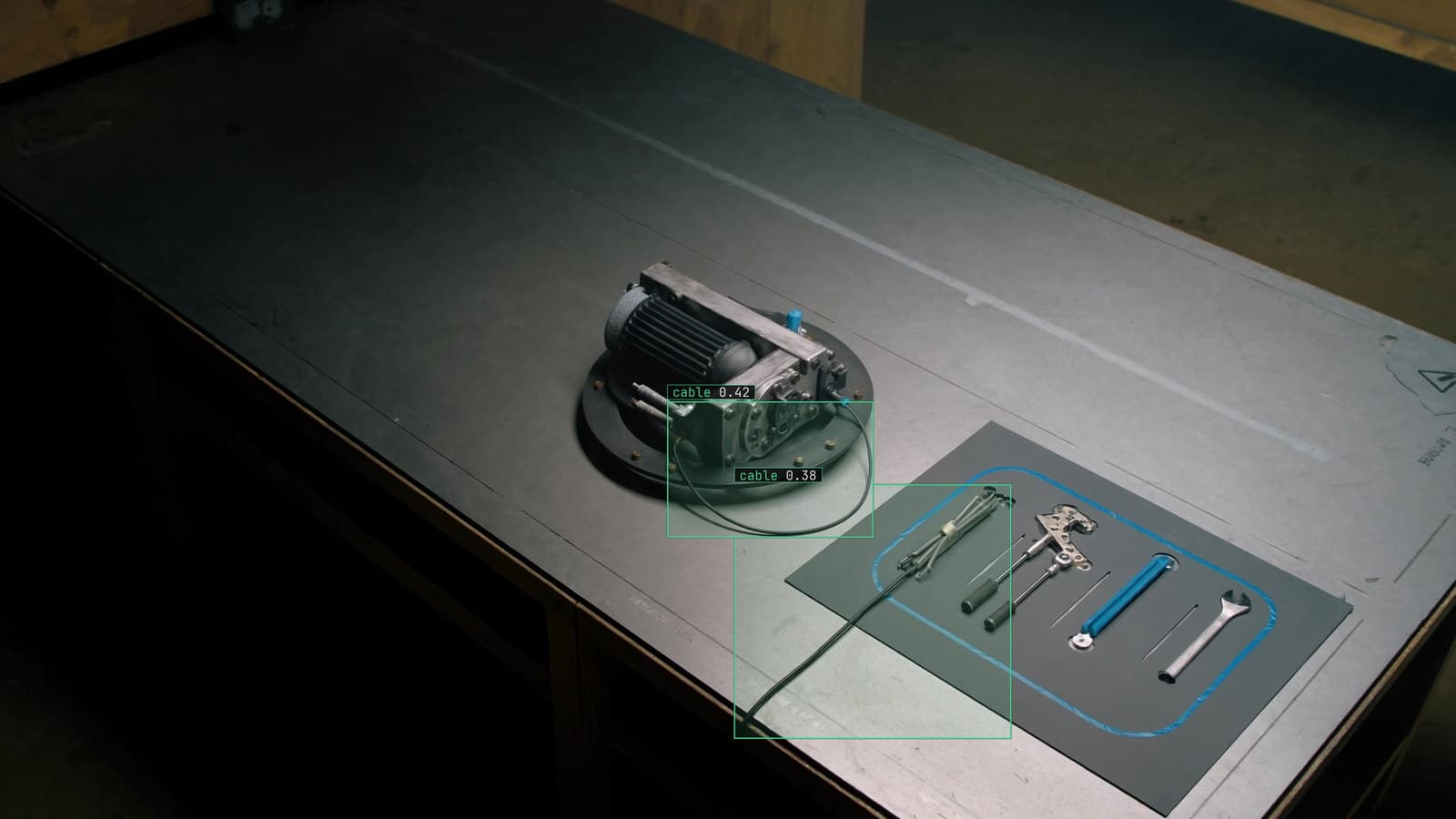
An assembly station with a housing, fasteners and a cable boxed, generated scene with detections from our model
The assembly plant's missing-fastener model went live on station 6 in the spring, and the two people who built it were reassigned in the summer, because the pilot had worked and there were other pilots. By autumn the review queue for station 6 had frames in it from August that nobody had opened. The model was still running. It was also still the spring version, and the housing supplier had changed the plastic's colour in July.
Nobody had done anything wrong. Nobody had been given the job.
A pilot has a builder and a second year has nobody
The team that builds a vision pilot is a recognisable shape: someone who can label and train, someone who can get the camera's stream into a box, someone from the line who knows what a missing fastener looks like. They meet often, the model gets better weekly, and the demo lands. Then the shape dissolves, because those people were borrowed.
The second year has different work. Frames come back from station 6 that the model is unsure of. Someone has to look at them. Corrections accumulate, and someone has to decide when the new version is ready and approve it. The supplier changes the plastic, and someone has to notice that the correction rate on that one camera went up in July and say why. A new plant asks for the same model, and someone has to say what "the same" means. None of that is building, and the builders have gone.
The builder gets a model from a question to deployable
The first job still exists, and the plant still needs it, in smaller doses. The builder turns "is the fastener there" into classes, gets a labeled set with a person checking each label, trains, and gets the model onto the box beside the station 6 recorder in a form that can be replaced without stopping the line. When the plant wants a second question answered, a torn gasket at station 9, the builder does it again.
What the builder should not be is the person who opens the review queue every morning. That is a different job with a different rhythm, and giving it to the builder is how the queue fills with August.
The vision AI operator reviews frames and approves the retrain
The job most plants forget to name is the operator. Not the person on the line, though it is often someone who came from the line, and the vision AI operator is closer to a quality inspector than to an engineer. Each morning the frames station 6 was unsure of are in the queue. The operator opens each one, agrees or corrects, and the correction is a label the next version learns from. When the corrections cross the project's threshold, a new version trains, and the operator approves it before it replaces the old one, because the operator is the person who has seen the frames it learned from.
The operator is also the person who notices. The correction rate for station 6 climbed in July, on one camera, from the week the grey housings arrived, and the operator is the one who connects a rise in the queue to a change on the line, because the operator sees both. My own view is that this role should be staffed before the pilot goes live and not after, because the day the model goes live is the day the queue starts filling, and a queue with no owner is a model with no second version.
LexData takes the fastener model through its whole life. You type what to look for, Lexi puts a box on every frame, and a person checks each label before anything trains on it. The model then watches the station 6 camera, in the cloud, on your servers, or on a runner beside the recorder. Frames it is unsure of come back to a person, the corrections retrain it, and the new version replaces the old one with no downtime. The person the frames come back to is the operator, and the platform is built around that person's morning.
Someone makes the second site a repeat rather than a project
The third job appears the day the plant in the next region asks for the fastener model, in March. The temptation is to send the spring version and a link. The drift catalog describes what happens next under a new site came online: different camera heights, different lighting, a different background, and a model that is visibly worse from the first day. That reads as a bad model when it is a model doing what a model trained on one site does.
The person who owns rollout knows this in advance. A labeled window from the new site's station before it goes live. A per-site comparison rather than a fleet average, so the new site's numbers do not hide behind the first plant's good ones. A runner beside the new recorder that receives the fleet's version and reports its own correction rate. That person is not the builder and not the operator; it is the one who turns a project into a procedure, so the third site takes a fortnight and the fourth takes a week.
The rollout owner at the assembly plant keeps a one-page checklist, and the first item on it is the name of the operator at the new site, because a site with no operator is the autumn queue again, in a different region.
The three jobs are three rhythms, not three people
At a plant with one model, the operator might be a quality inspector for an hour a day, the builder a contractor on call, and the rollout owner the plant engineer who also owns the recorders. At a group with a dozen plants the three are teams. What matters is that each rhythm has a name against it: the daily queue and the occasional build, and the rollout per site.
The station 6 queue from August was cleared in October, by a quality inspector who now opens it at 7 am with her coffee. The model's fourth version, trained on the grey housings, went live in November, and she approved it.
See it on your own footage.
Start with your footageMore in Operations
Operations · 7 min read
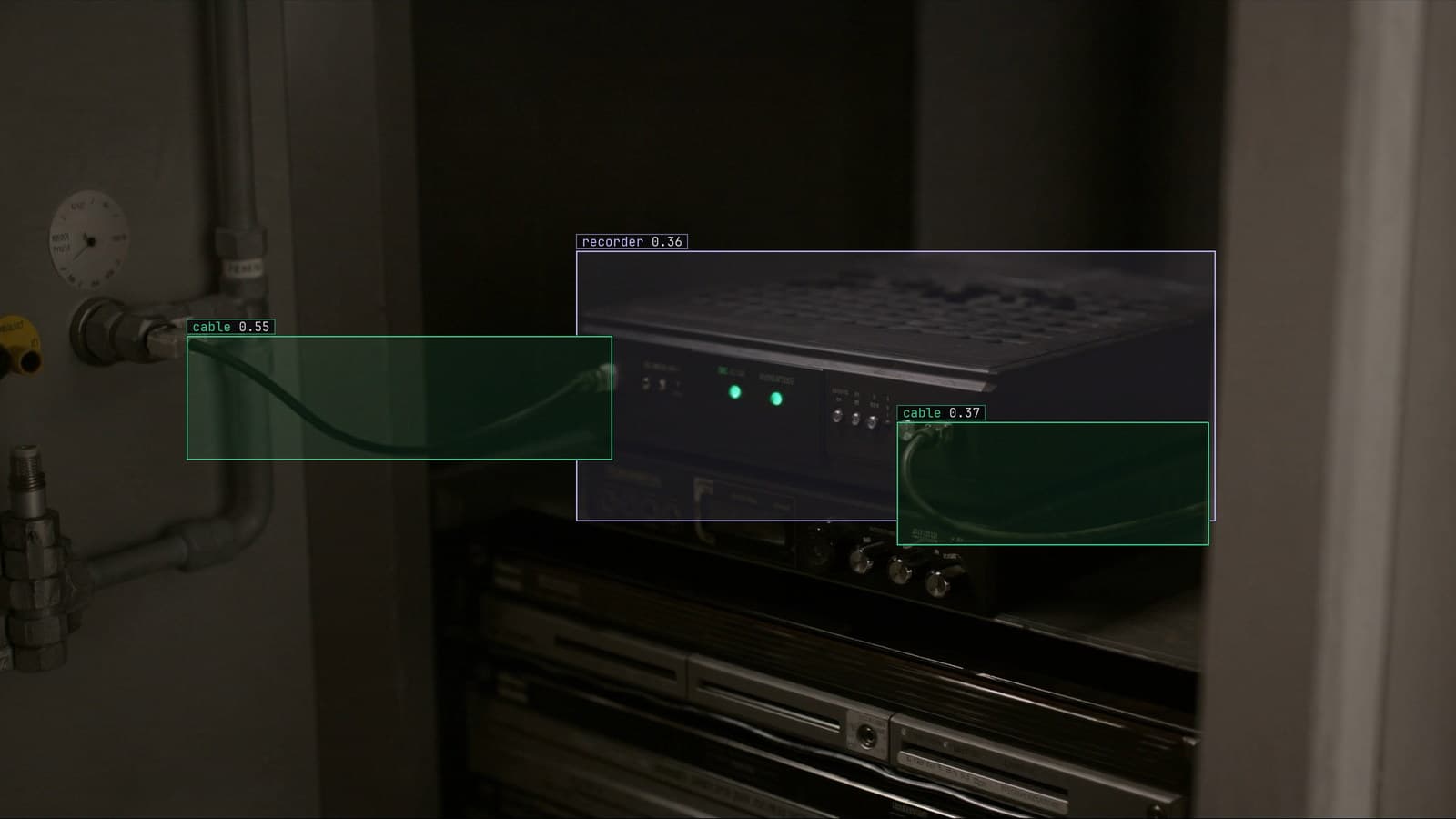
AGPL-3.0 licensing risk for computer vision teams serving a model
A camera streaming to a served detector is the network interaction the licence was written for. What a legal review will ask, and why to pick the weights first.
Ayman Quadir · Oct 1, 2026
Operations · 7 min read
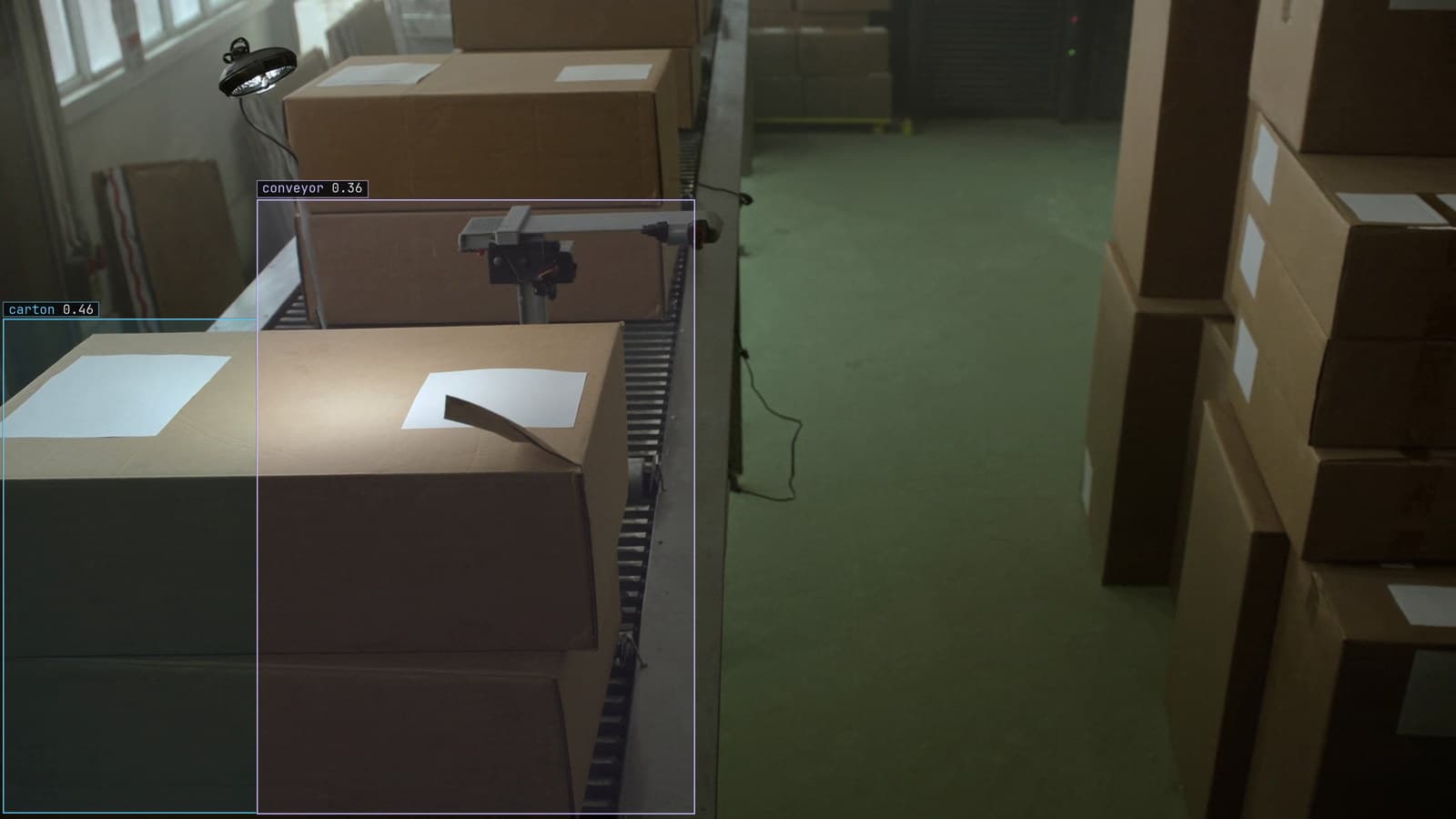
Cloud vs owned GPU inference for computer vision, worked out per camera hour
A plant on three shifts and a retailer with cameras spread across stores get different answers from one sum, and footage leaving the building is a cost too.
Ayman Quadir · Oct 1, 2026
Operations · 7 min read
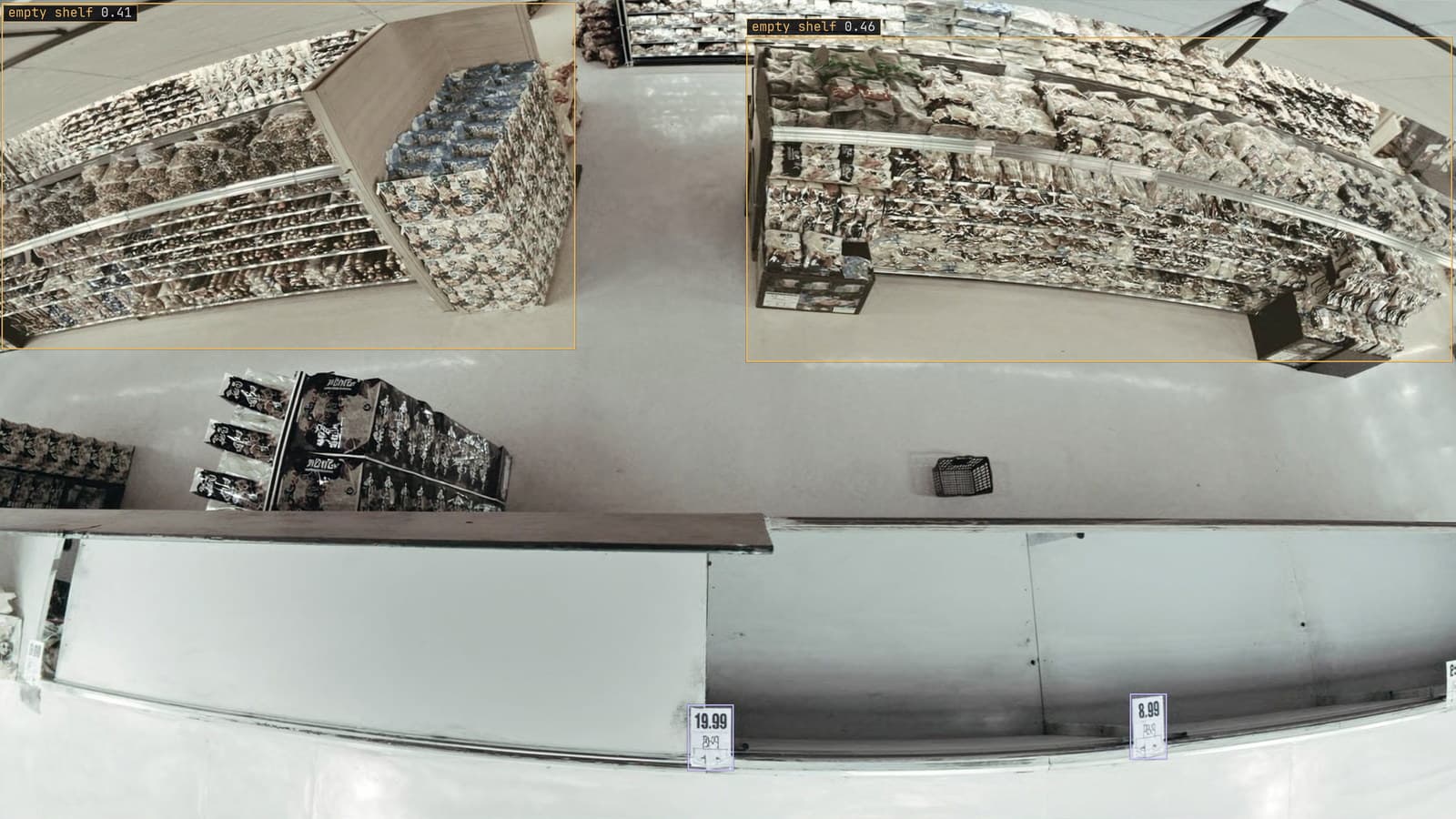
Computer vision heatmaps drawn from the aisle cameras a store already has
Footpoints from every tracked box, aggregated over a day and mapped onto the floor plan, show where footfall goes. A camera nudged in cleaning shifts the map.
Rajiya Sultana · Oct 1, 2026