

Industries · 7 min read
Predictive maintenance with computer vision on the bearing that is about to seize
A camera on the bearing housing, the belt and the pipe joint sees the weep, the fray and the loose bolt weeks before the stop, and sends the frame.
Summary
This post puts fixed cameras on a conveyor drive bearing, a belt run and a pipe flange and describes wear, leaks and loose fasteners as classes with severities, alerted before the machine stops. It concludes that a replaced motor is the failure to plan for, because the model has never seen the new part and the override rate is what tells you. It is for maintenance and reliability engineers in plants.
Rob Hickey · Chief AI Officer · Sep 26, 2026
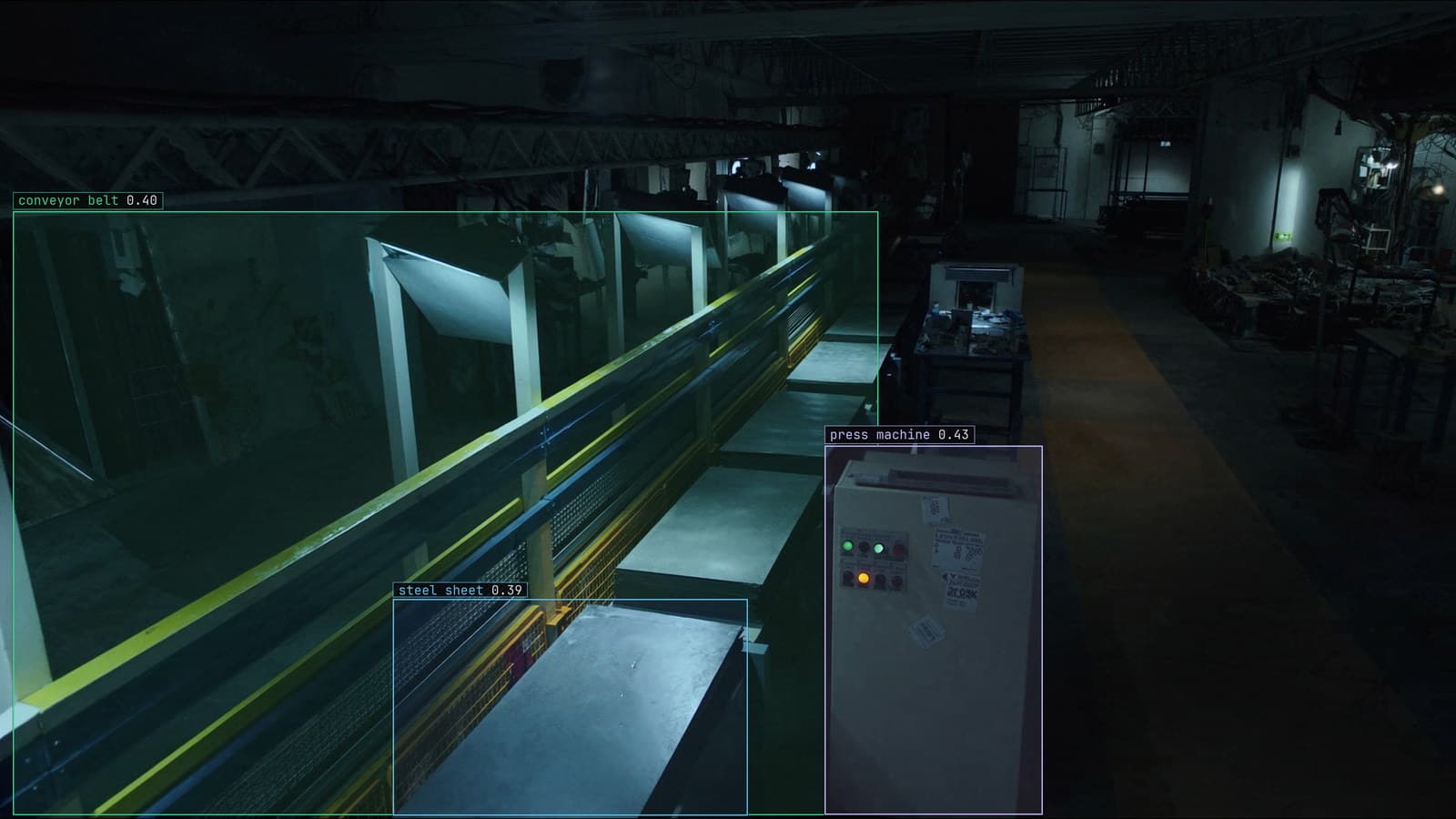
Conveyor and press on a stamping line, generated scene with detections from our model
The drive bearing on conveyor C seized at 11 pm on a Saturday, which is when drive bearings seize. The millwright had walked past it on Tuesday, put a hand on the housing, and written "warm, ok" on the round sheet. Between Tuesday and Saturday the grease weep on the underside of the housing went from a smear to a drip, and nobody was there to see it because nobody is there on the underside of a housing at 11 pm.
The plant runs its maintenance on a calendar. The bearing was due in six weeks.
A camera pointed at that housing would have seen the weep on Wednesday. Vision does not hear a bearing, and it cannot see the spalling inside the race, but most failures announce themselves on the outside before they finish on the inside, and a fixed camera is the cheapest thing in the plant that never blinks.
A camera sees the outside of a failure that a sensor misses
A vibration sensor on the same housing reads the imbalance that a failing race produces, and that is worth having. What it does not read is the rust creeping up the bracket the housing sits on, or the belt tracking a finger's width off its crown. It has nothing to say about the guard bolt that has backed out a turn a week, or the flange on the coolant line that has started to sweat.
Those are visible. They sit in the frame of a camera mounted once and left alone, and each has a shape that a model learns from a few hundred labeled examples. The predictive maintenance use case for machinery is built on exactly that boundary: the failures a person could spot on a walk-round, spotted on every walk-round the camera does, which is one about every two seconds.
The walk-round the millwright does on Tuesday is still worth doing. The hand on the housing catches heat the camera cannot.
Wear, a leak and a loose bolt are classes with a severity each
The labeling for this is not one class called "problem". On conveyor C the classes are the failures the plant has actually had: grease weep on a housing, fraying at a belt edge, a bolt head standing proud of the guard, rust on the bracket. Each carries a severity in its name, because a weep that is a smear and a weep that is a drip want different responses, and the model can only tell them apart if the labels did.
You type the classes once, Lexi puts a box on every frame, and a person checks each box before it trains. The checking is where the severities get honest. A maintenance tech looking at two hundred frames of the same housing will disagree with the proposed severity on a handful, and those disagreements are the boundary the model learns.
There is a temptation to label the bearing as a whole, good or bad. Resist it. A model trained that way learns the housing's colour and the light on a Tuesday, and has nothing to say when the failure is a bolt.
The alert reaches the tech before the stop, with the frame attached
The rule is a sentence: a grease weep on conveyor C at drip severity, high, one alert per shift. It is approved before it goes live, and what arrives is the frame with the weep boxed and the housing it belongs to, in Slack, by email, or into the maintenance system through a webhook. The tech sees the drip on a phone at 3 pm on Wednesday, and the bearing gets changed on Thursday's planned stop instead of Saturday's unplanned one.
On plants where the footage cannot leave the building, the runner sits beside the recorder and the alert fires on site first. The frames stay on the plant network, and only the ones the model doubts go anywhere.
Severity is what keeps the channel usable. A minor weep goes on the morning digest. A drip goes to the tech on shift. A frayed belt on the main line goes to the supervisor with a cooldown of nothing at all.
The trend per asset lives where the question gets asked
Every detection is a record with the asset, the class, the severity and the time, and over a quarter those records are the condition history the calendar never had. The question "what has the belt on conveyor C been doing since June" is asked of LexInsight and answered with the frames that back it: the fray first boxed in the second week of July, the same edge a little worse each fortnight since.
That history is what turns a maintenance interval into a decision. The bearing that was due in six weeks by the calendar is due next Thursday by the frames, or not for a quarter, and either way somebody can see why.
Asking the question changes nothing about the model. The answer is a view of what it already found.
A replaced motor is a part the model has never seen
The failure to plan for is the one the plant causes itself. The drive motor on conveyor C is swapped for the current generation, and the new one has a different housing shape, a black finish where the old one was grey, and its grease fitting on the other side. Nothing has failed. The model, which has never seen this motor, either boxes nothing on it or boxes everything on it, and the tech overriding those alerts at the start of the shift is the first sign that anything changed.
The drift catalog calls this an equipment change: the definition of a weep did not move, the object carrying it did. The tell is the boundary. Detections change on the one asset that received the new part and hold on every other camera in the plant, on the date the work order closed. A window of frames from the new motor, labeled by the tech who knows where its fitting is, and the next version knows both generations.
LexData takes the maintenance model through its whole life. You type what to look for, Lexi puts a box on every frame, and a person checks each label before anything trains on it. The model then watches the cameras the plant already has, in the cloud, on your servers, or on a runner beside the recorder. Frames it is unsure of come back to a person, the corrections retrain it, and the new version replaces the old one with no downtime. On the manufacturing lines we run that is 99%+ accuracy maintained in production, through motor swaps and all.
The override rate is the number to watch, before any accuracy figure
My own view is that a maintenance team should not look at model accuracy at all in the first year. The number that matters is how often the tech on shift overrides what the camera said, per asset, per week. When that number is flat the model is fine. When it climbs on one conveyor, something on that conveyor changed, and the work order log will usually say what.
The millwright on conveyor C keeps a magnet on a string in a jacket pocket and touches it to the housing on the walk-round, to see how much fine steel it picks up. That habit predates the camera by twenty years and outlives every version of the model. The camera watches the outside of the housing so that a person with a magnet can spend the walk-round on the inside.
See it on your own footage.
Start with your footageMore in Industries
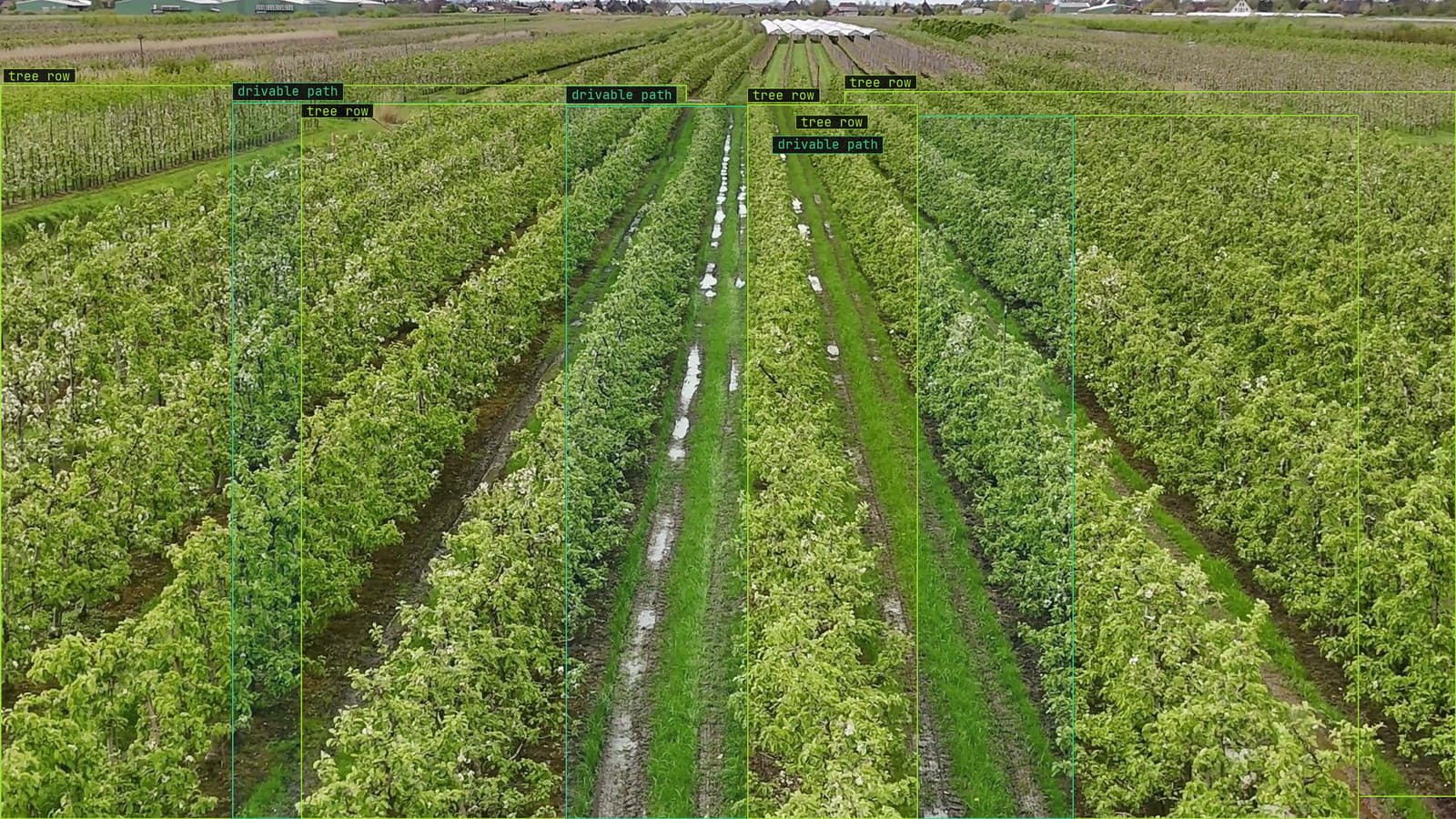
Industries · 6 min read
AI crop analysis in the greenhouse, catching tomato disease before it spreads down the row
Lesions boxed by disease with a healthy class, a question of the footage about how far a patch spread since last week, and a model that turns with the season.
Rob Hickey · Sep 26, 2026
Industries · 6 min read
Ceramic defect detection for hairline cracks a fixed-rule camera cannot learn
Edge chips, hairline cracks and pinholes on the tile line after the kiln, masks where the area sets the grade, and the new glaze as the day to relabel.
Esdras Ntuyenabo · Sep 26, 2026
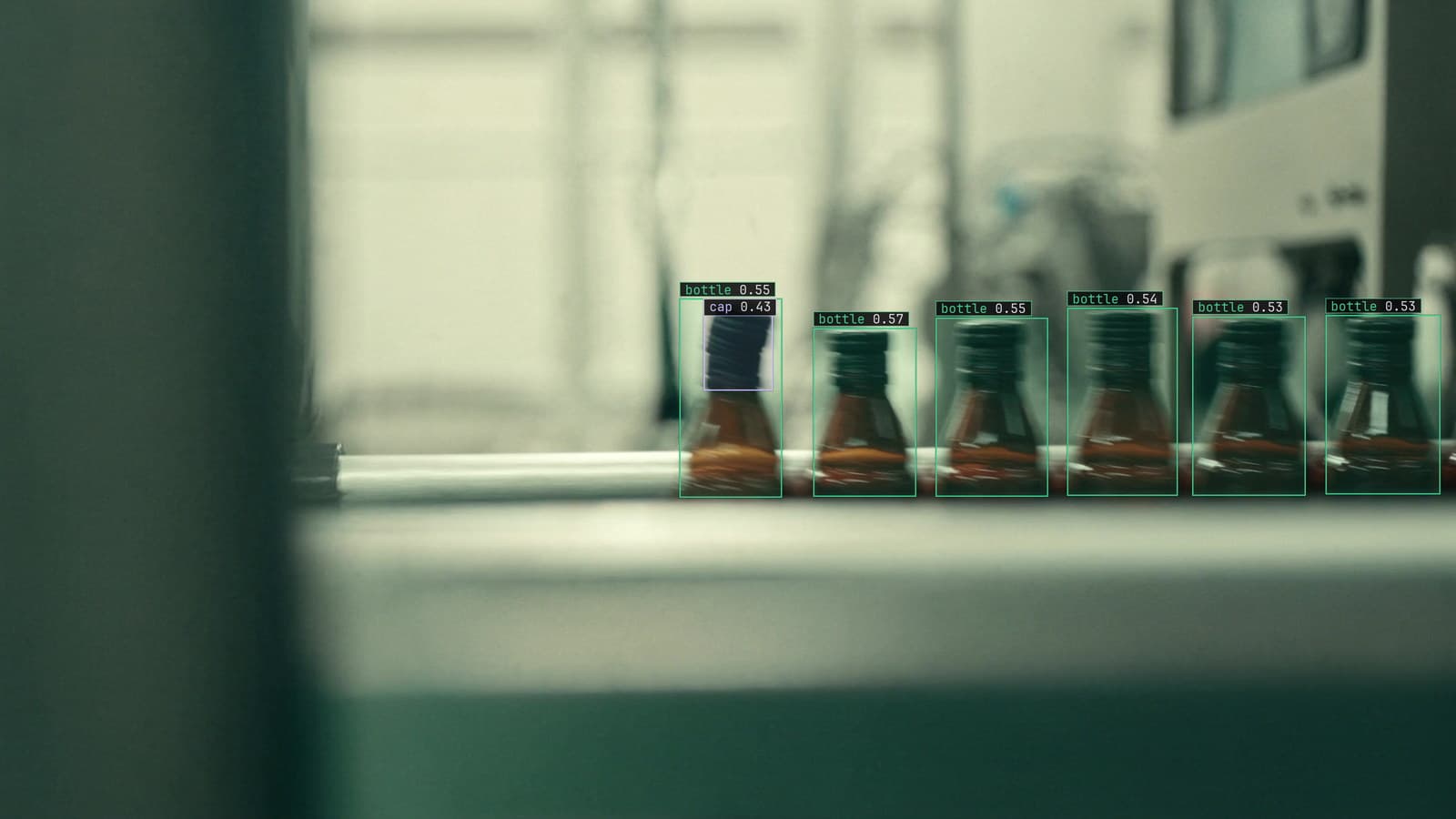
Industries · 6 min read
Chocolate box inspection with a camera over the tray line
Each piece boxed by type, a plain check against the box template, damage as its own class, and the new spring assortment as the day the labels go stale.
Stephen Biswas · Sep 26, 2026