

Industries · 7 min read
Verify label placement on packages before the sorter with a camera at induction
Package and label boxed, the label checked against the zone the scanner can read, skew and cover flagged with the frame. A new carton size is a spec change.
Summary
This post puts a camera before the sorter induction and checks that each package's label sits where the fixed scanner downstream can read it, using a box on the package, a box on the label, and a written zone the label has to fall inside. It concludes that the check is arithmetic on two boxes, that skew and partial cover are the frames that go to a person, and that a new carton size changes the zone without changing the model. It is for fulfilment and sortation engineers.
Rajiya Sultana · Engineering Manager · Sep 25, 2026
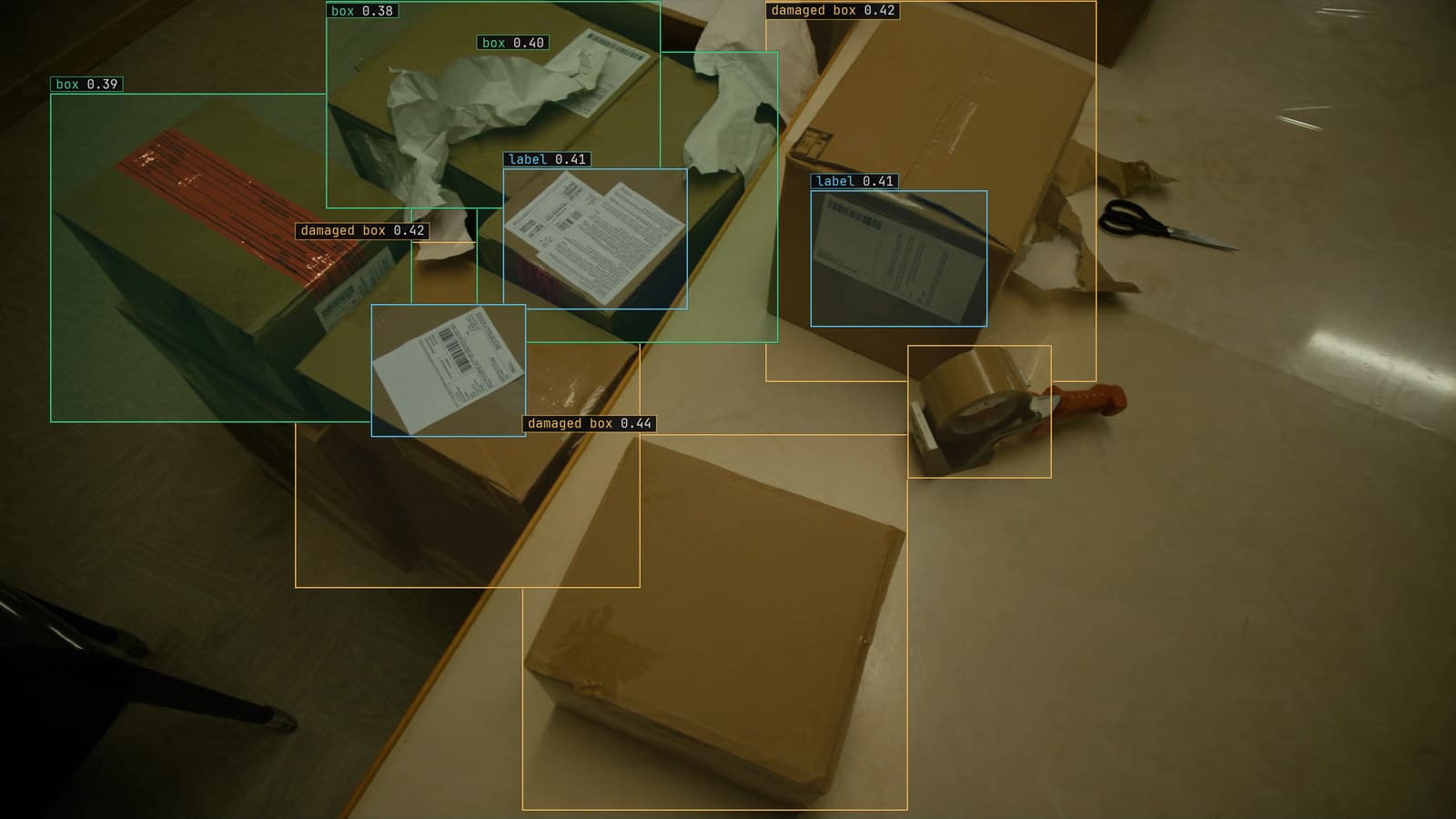
Packing station with boxes, labels and tape boxed from overhead, generated scene with detections from our model
The fixed scanner at the top of the sorter reads the label on every package that goes past, provided the label is where the scanner is pointed. A packer at station 8 on a busy afternoon sticks the label on the end of the box instead of the top. The box rides the sorter, misses the read and drops into the no-read chute, and a person picks it up, turns it over and inducts it again. One no-read is nothing. A shift of them at peak is a person doing nothing but the chute.
A camera before induction sees the label before the sorter does, and the question it answers is small and exact: is the label where the scanner will find it.
Object detection boxes the package and the label
Two classes, each a box. The package is the outer box in the frame, the label the smaller rectangle on it. Object detection puts a box on each, and everything after is arithmetic on the two rectangles. The model does not need to read the label; it needs to find it.
The frames come from the induction camera at its mount, with the belt moving, the packer's hands in the edge of the frame and the labels at every angle a hurried packer applies them. You type the two classes once, Lexi proposes a box on every package and every label in every frame, and a person checks the proposals before anything trains. The QA pass matters most on the labels stuck across a box edge, since a label that wraps the corner is the case a first-week labeler boxes inconsistently, and the model finds the way its labels found.
A frame with two packages and two labels raises the question of which label belongs to which package. The answer is containment: a label's box inside a package's box is that package's label. Packages stacked or touching need the overlap rule written down, and the package and label inspection use case has the same shape for all its checks, a region and a rule.
The zone is a written rectangle on the package's own box
The scanner reads the top face, centred, with a margin. In the frame that is a zone: a rectangle drawn on the package's box in proportion to it, the middle so much of the width and the middle so much of the height, written down once for station 8. The check is whether the label's box falls inside the zone. Its centre inside the zone and its corners inside the zone is a pass. Its centre outside is a fail. Its centre inside and a corner out is a label that hangs off the edge of the readable area, and that is a review.
The zone is proportional so that a small box and a large one share the rule. It is written for the scanner the site has, which means a site with a scanner on two sides has a zone for each, and a site that reads the end face has a zone on the end.
Nothing about this needs the model to be clever. The model finds two rectangles. The rule does the deciding, and the rule is a few lines the site owns, changes and can read.
Skew and a covered label are frames for a person
A label stuck at an angle has a box that is larger than the label, since the box is axis-aligned and the label is not. Past a written angle, the scanner's read rate falls, and the check should say so. The angle can be read from the label's box against the package's box, and a skewed label is a review with the frame attached rather than a fail, because the packer can straighten it in a second if told now.
A label with tape over the barcode, or with a second label half across it, is the other case. The label box is found, the zone check passes, and the scanner still cannot read it. That one is caught by a third class, label covered, labeled on frames where the packer's tape crossed the barcode, and it goes to a person with the frame.
The stop is a rule written as a sentence, with a severity and a cooldown, approved before it goes live: a label outside the zone at station 8, routine, to the station screen with the frame attached and the zone drawn on it. The packer sees the box, sees the label hanging off the edge of the zone, and moves it before the belt takes it.
One aside from the floor. The person who used to work the no-read chute now works the review queue for an hour a day and the chute the rest, and says the queue is the same job with the boxes brought to the screen instead of carried.
The doubted frames retrain the model and the zone stays where it was
LexData takes the induction model through its whole life. You type what to look for, Lexi puts a box on every package and every label in every frame, and a person checks each label before anything trains on it. The model then watches the induction camera, in the cloud, on your servers, or on a runner beside the recorder. Frames it is unsure of come back to a person, the corrections retrain it, and the new version replaces the old one with no downtime.
On an induction line the doubted frames have a shape. A new courier's label stock is glossier and throws a highlight the model has not seen. A poly bag with the label stuck across a fold gives a label box the model is unsure of. The packer's correction on each becomes a label, and the correction rate is what to watch: a week where the packer overrides the check more often than last week is a week something arrived that the model has not seen. The zone did not move, and the rule that reads it is unchanged.
A new carton size is a spec change the frames cannot show
The site adds a long, flat carton for a new customer in the autumn. The scanner's readable area on that carton is a different proportion of its top face, so the zone written for the cube cartons is wrong for it. The model finds the package and the label as well as it ever did. The check fails every one of the new cartons, or passes labels the scanner will not read, and the no-read chute fills up again.
The drift catalog calls this a spec change: the pixels are identical and the right answer moved. The fix is a zone for the new carton, keyed off the package box's aspect ratio so the rule picks the right zone per carton, and it is written on the day the carton is added rather than after the chute is full.
My own view, from running QA on checks like this one, is that a placement check should launch with the zone drawn a little wider than the scanner's true readable area, and be narrowed over the first fortnight from what the review queue shows. A check that fails a working label on its first morning is a check the packers stop reading by Friday. How the labels get checked before training is in the labeling doc.
See it on your own footage.
Start with your footageMore in Industries
Industries · 7 min read
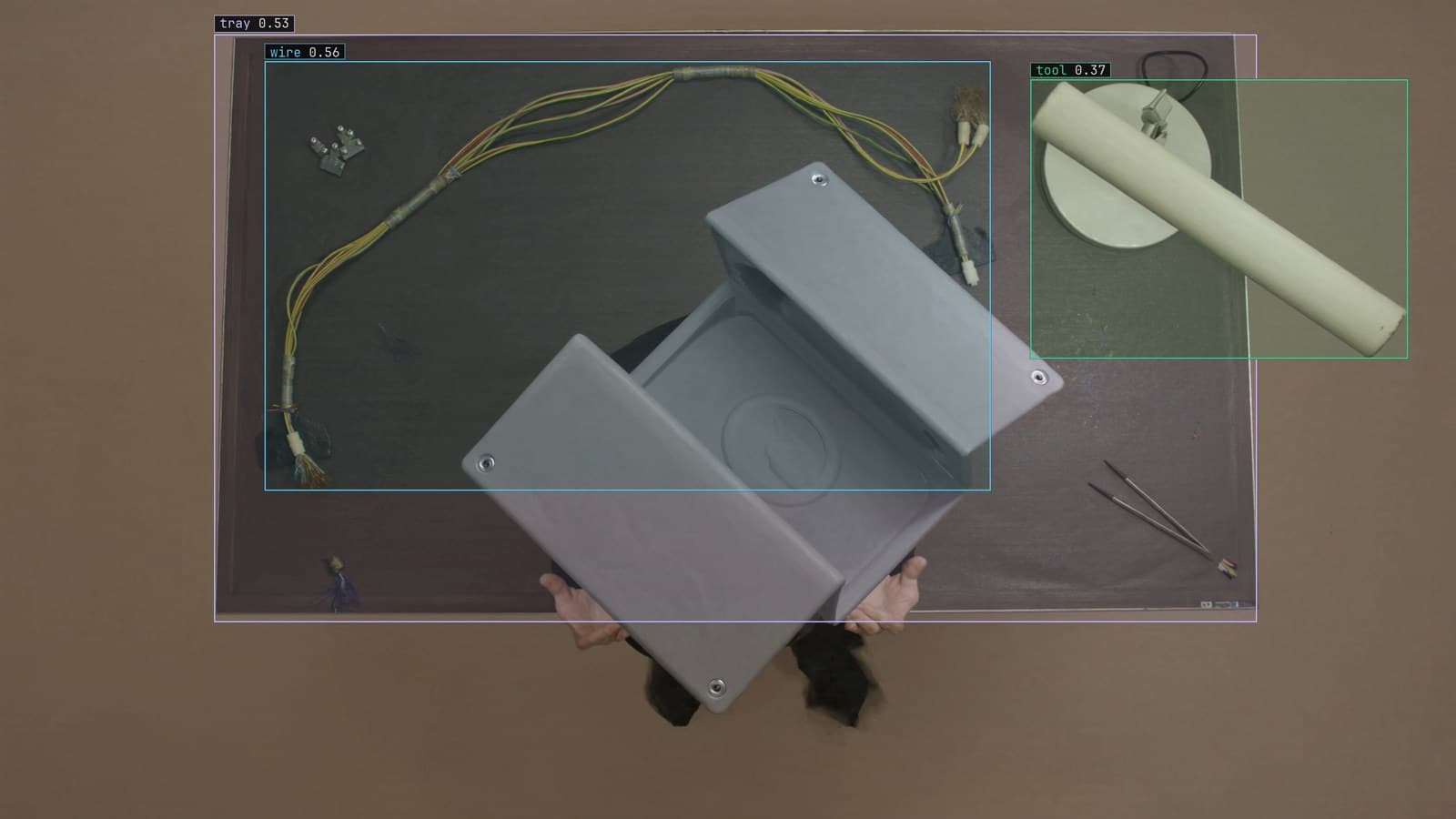
Counting the screws in a kit with object detection over the bench
A camera over the kitting bench counts every screw and bottle one box at a time. Exact for kits, a band for cases, and a half-hidden item is a written rule.
Rajiya Sultana · Sep 25, 2026
Industries · 7 min read
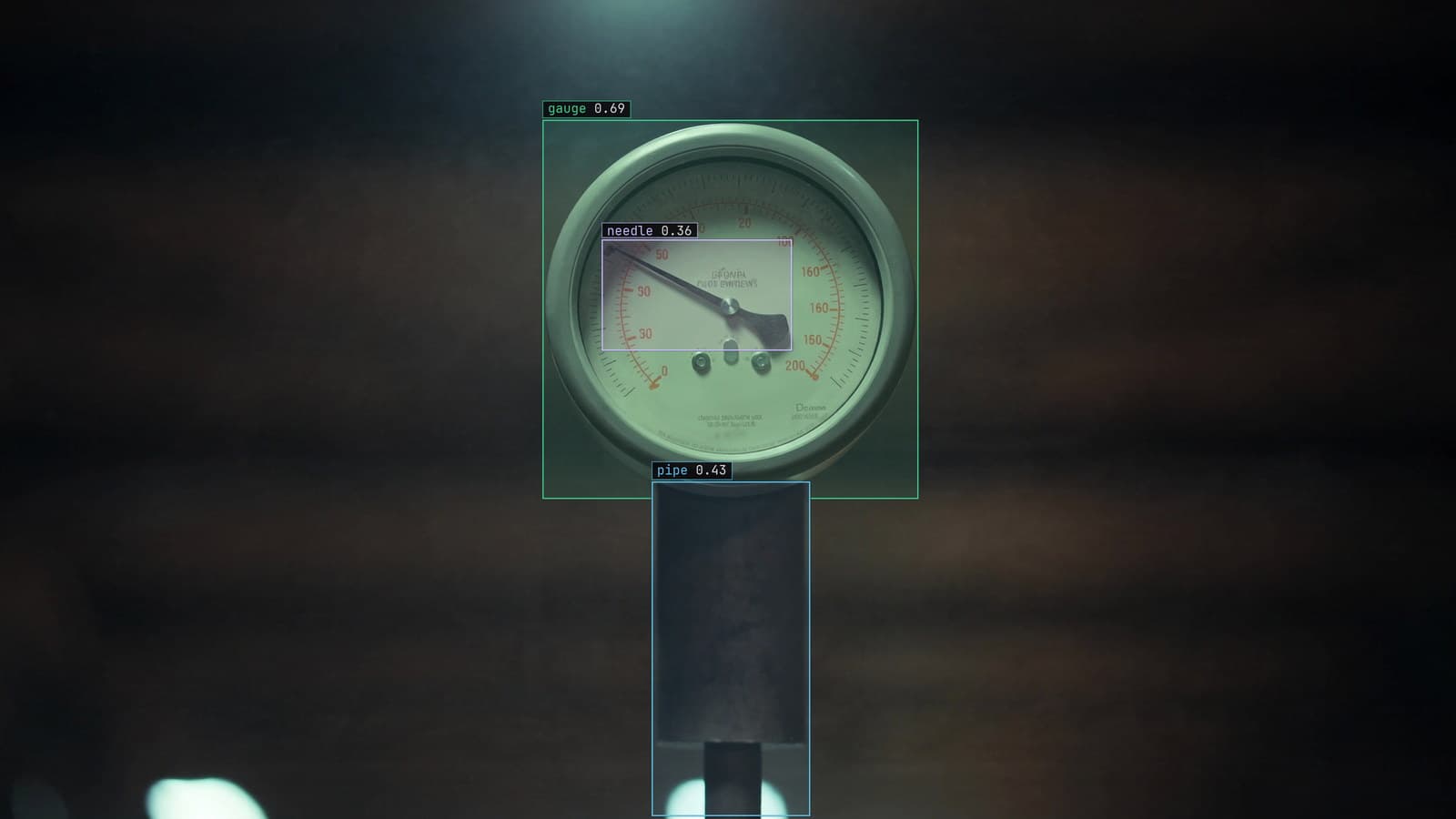
Automated water meter reading with a camera in the vault
Ten digit classes in a fixed row turn a truck roll into a frame. A rolling digit and condensation on the glass are the frames that come back to a person.
Stephen Biswas · Sep 25, 2026
Industries · 7 min read
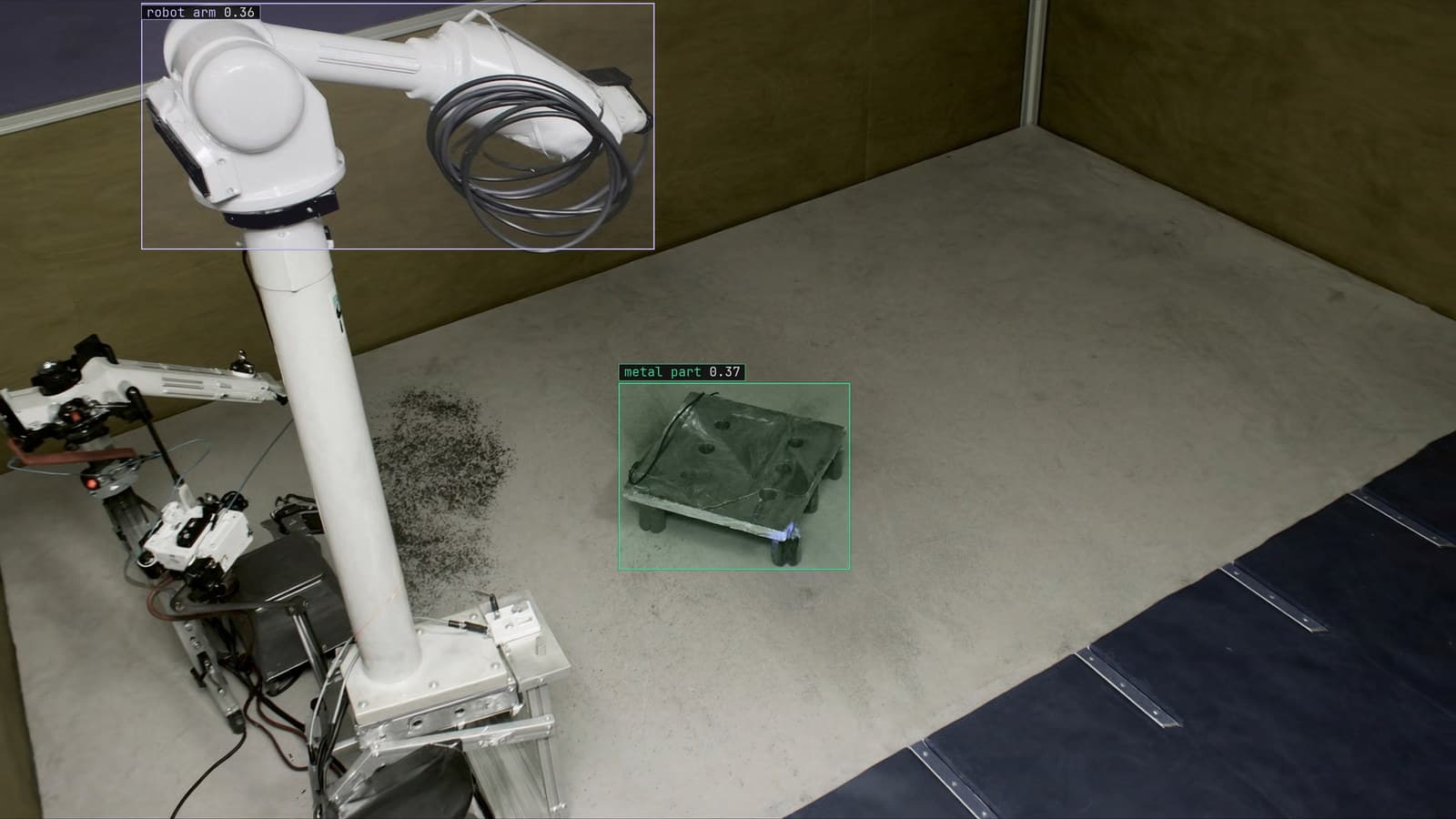
Body-in-white inspection with a station camera on unpainted steel
Dents on a bare body shell hide in the reflections. Masks give the extent, a second pass decides reportable, and a tightened tolerance is a spec change.
Finn Ellingwood · Sep 25, 2026