

Operations · 6 min read
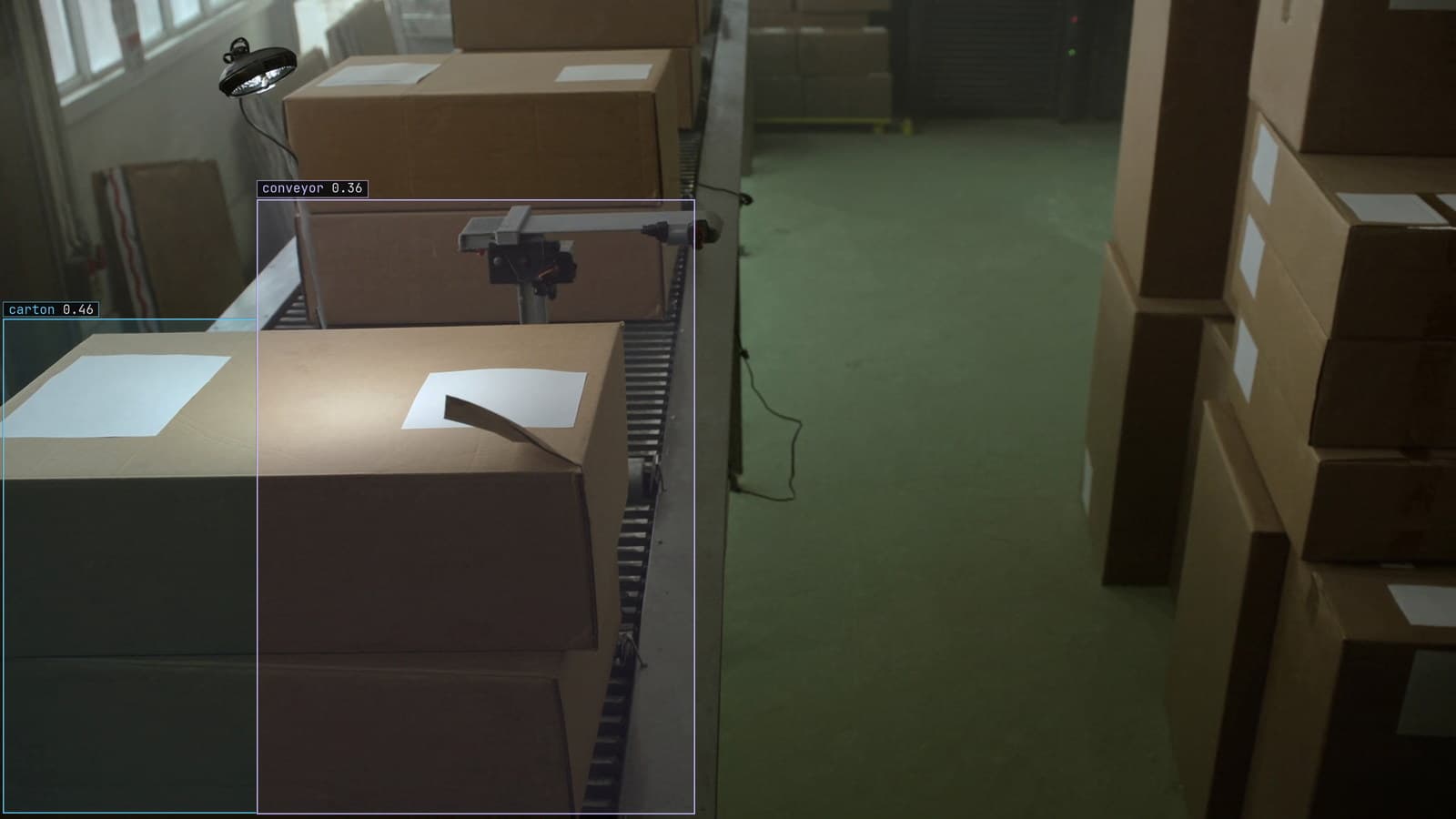
Machine vision lens selection worked back from the smallest defect in pixels
The lens is chosen from the defect, not from the drawer. Start with how many pixels a torn seal needs, and a later lens swap is a new camera to the model.
Finn Ellingwood · Sep 30, 2026
Industries · 7 min read
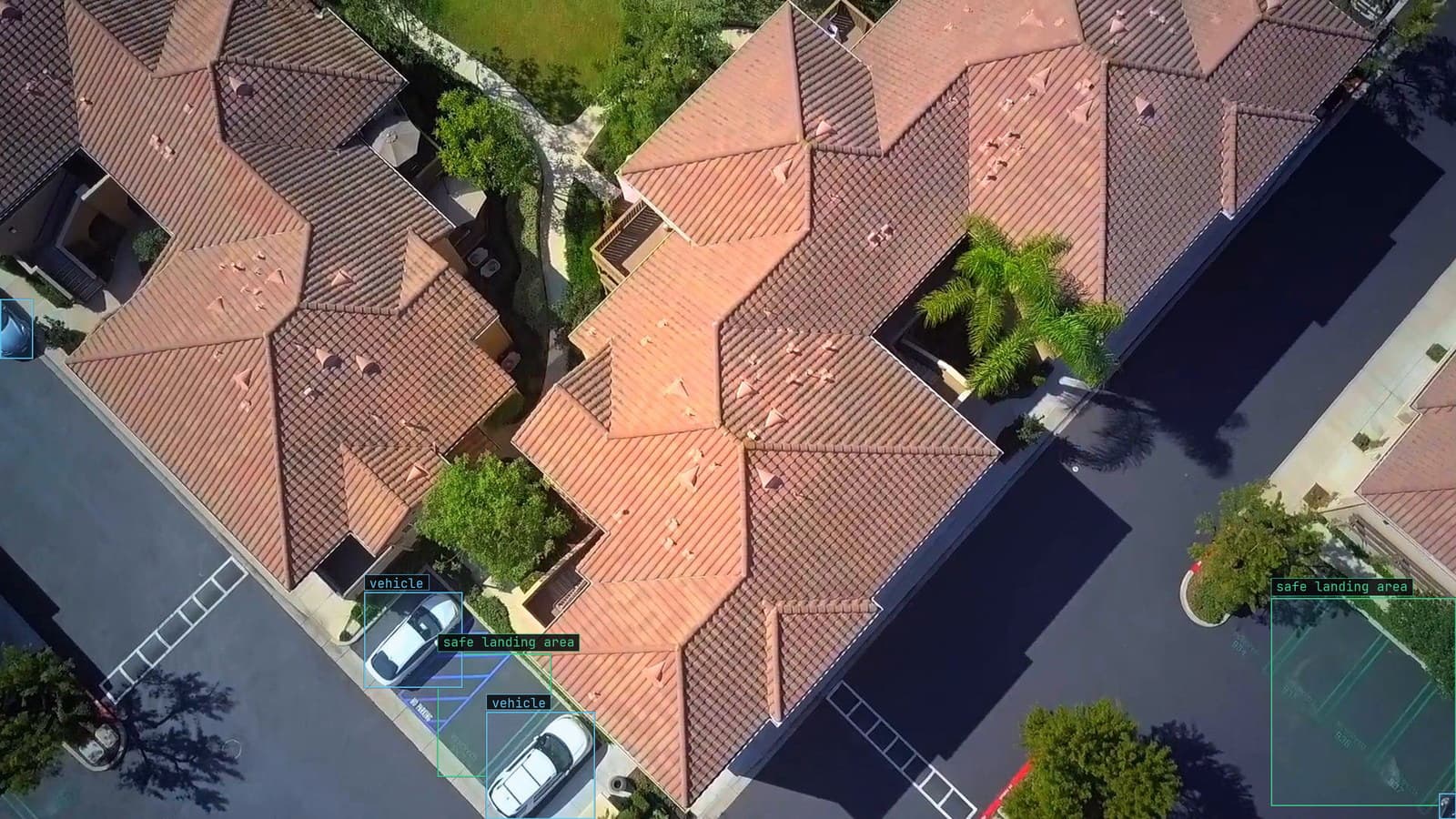
Parking lot occupancy detection from the camera already over the car park
A region per bay, occupied or empty as the call, a free-bay count for the sign and the manager, and snow, glare and a nudged lamp post as what goes wrong.
Finn Ellingwood · Sep 30, 2026
Industries · 7 min read
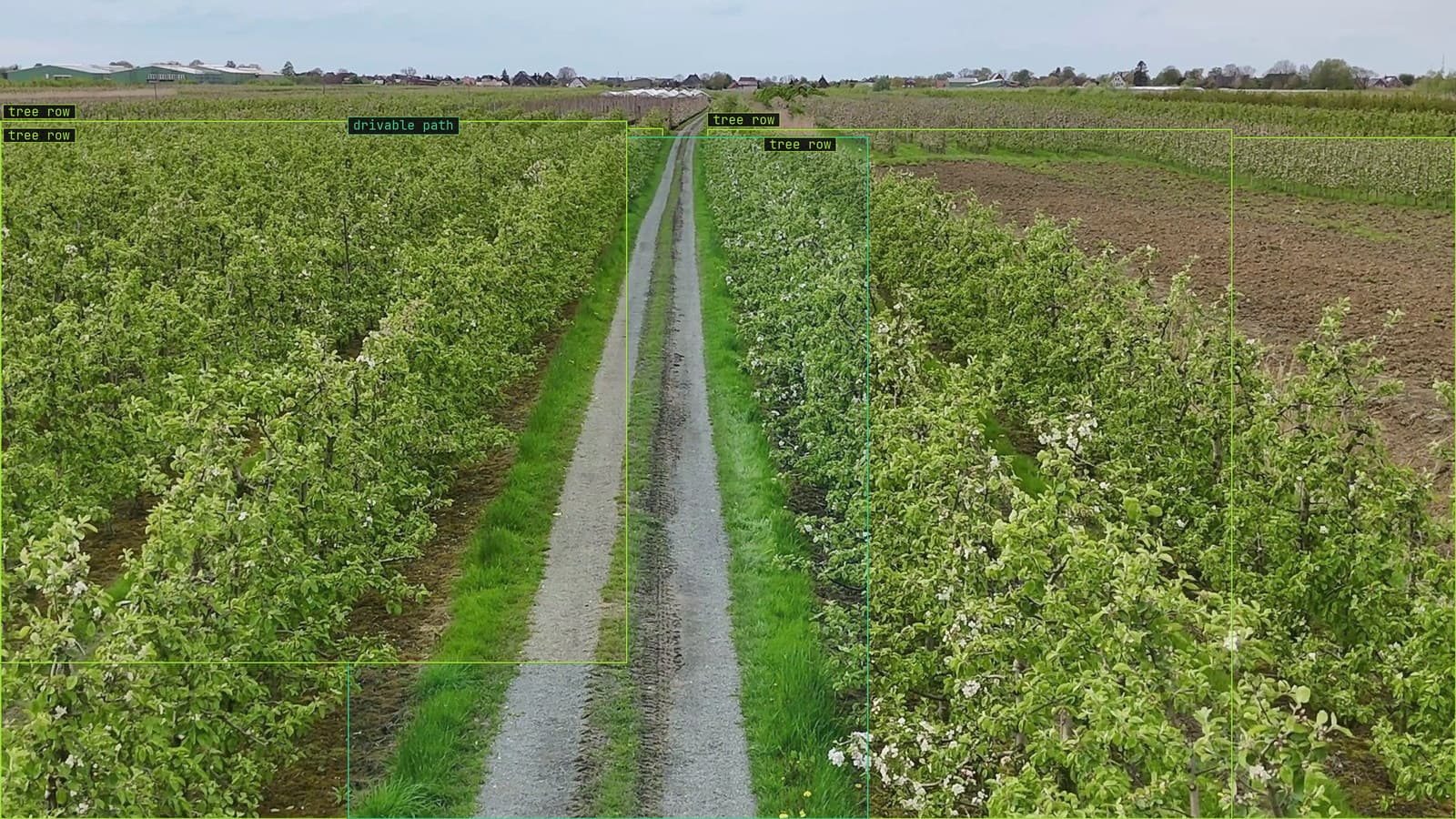
Plant height measurement with a camera and a stake of known height
Plant and stake as two classes, pixels to centimetres through the stake, a growth curve per plot from a question, and wind and a nudged mount absorbed by it.
Finn Ellingwood · Sep 30, 2026
Operations · 6 min read
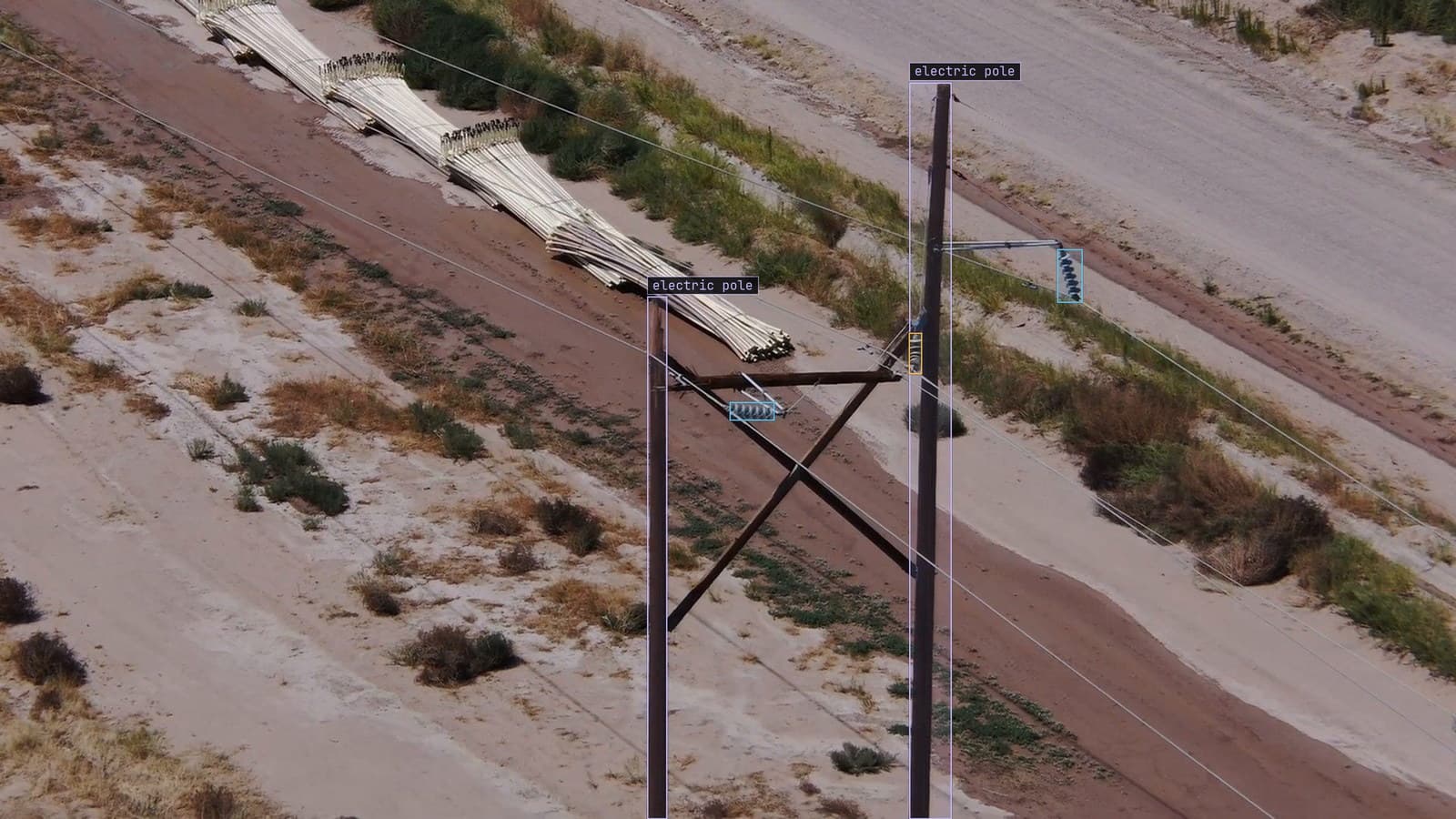
Slicing the frame so the small things get found
A cracked insulator is a few dozen pixels in a frame thousands wide, and the detector shrinks the frame before it looks. Tiles keep the pixels, at a price.
Finn Ellingwood · Sep 29, 2026
Industries · 6 min read
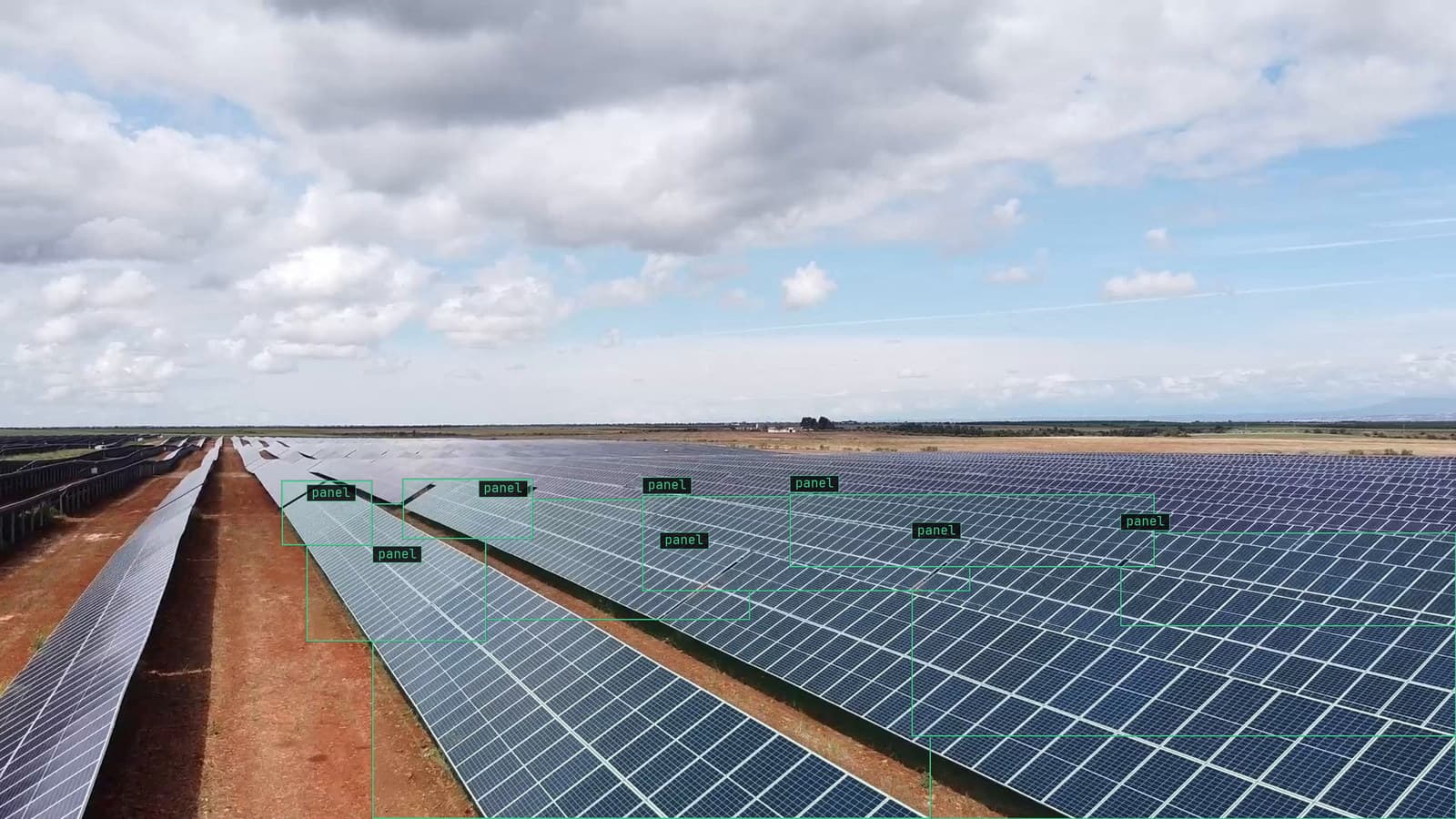
Solar panel detection in aerial imagery without counting the skylights
Over a suburb a panel is a few dozen pixels in a dense grid and a skylight is the same dark rectangle. Box per array, tile the frame, and keep the snow days.
Finn Ellingwood · Sep 29, 2026
Labeling · 6 min read
AI labeled vs human labeled data, how much a model can do before a person has to look
On a shelf dataset the model's proposals are mostly right. On safety cones in a yard they are mostly wrong. Measure the gap, then keep a person on every label.
Finn Ellingwood · Sep 28, 2026
Computer vision · 6 min read
DETR explained, what the detection transformer changed about finding objects
Detection as set prediction, a fixed set of queries instead of anchors, no suppression step, and the small-object and slow-training problems later fixed.
Finn Ellingwood · Sep 28, 2026
Edge · 7 min read
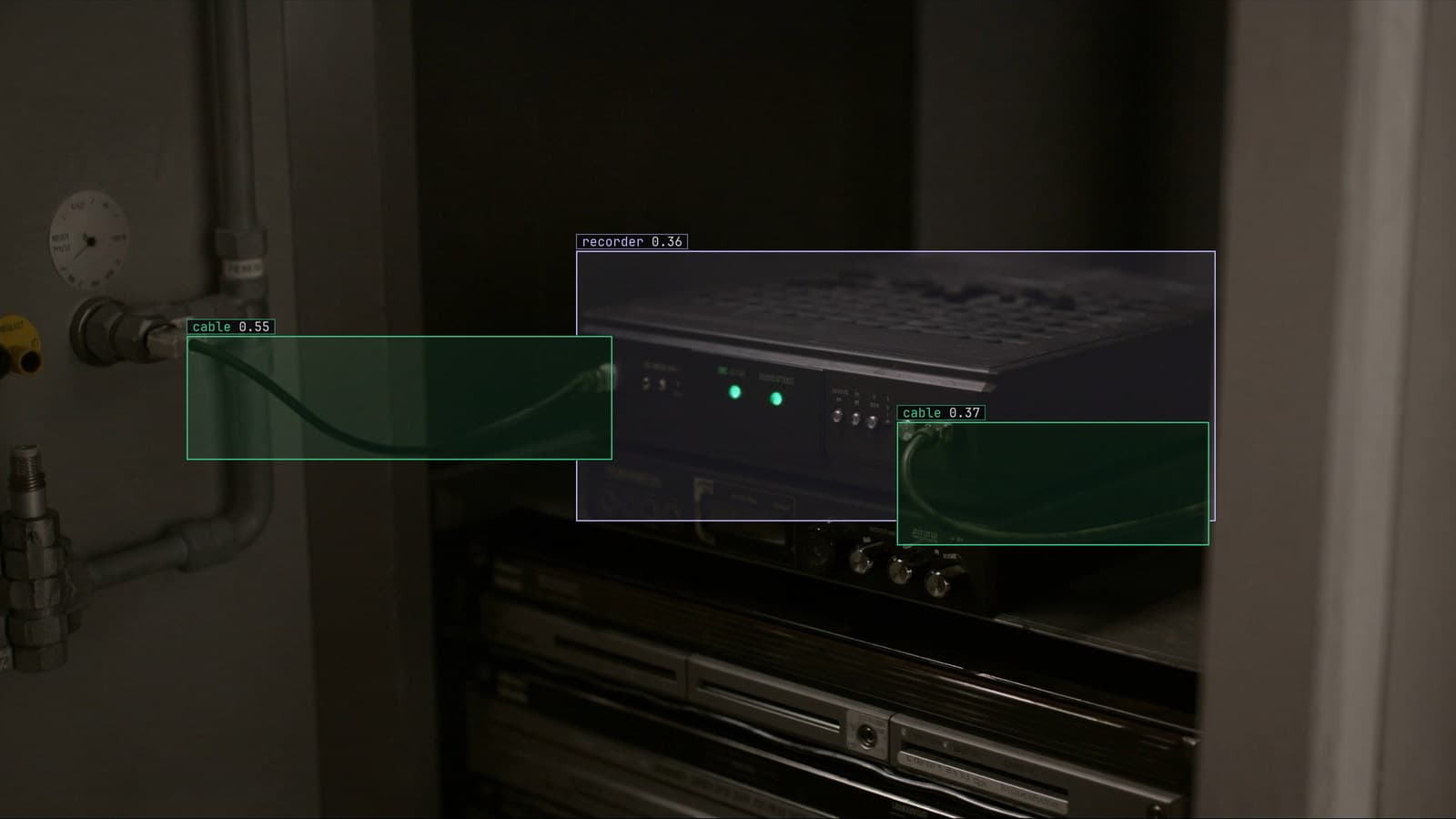
Running computer vision on RTSP camera streams from the recorder you already have
A dozen IP cameras and one NVR. One consumer per stream, a frame about every two seconds, TCP when the switch is busy, and a bitrate change ruled out first.
Finn Ellingwood · Sep 27, 2026
Operations · 6 min read
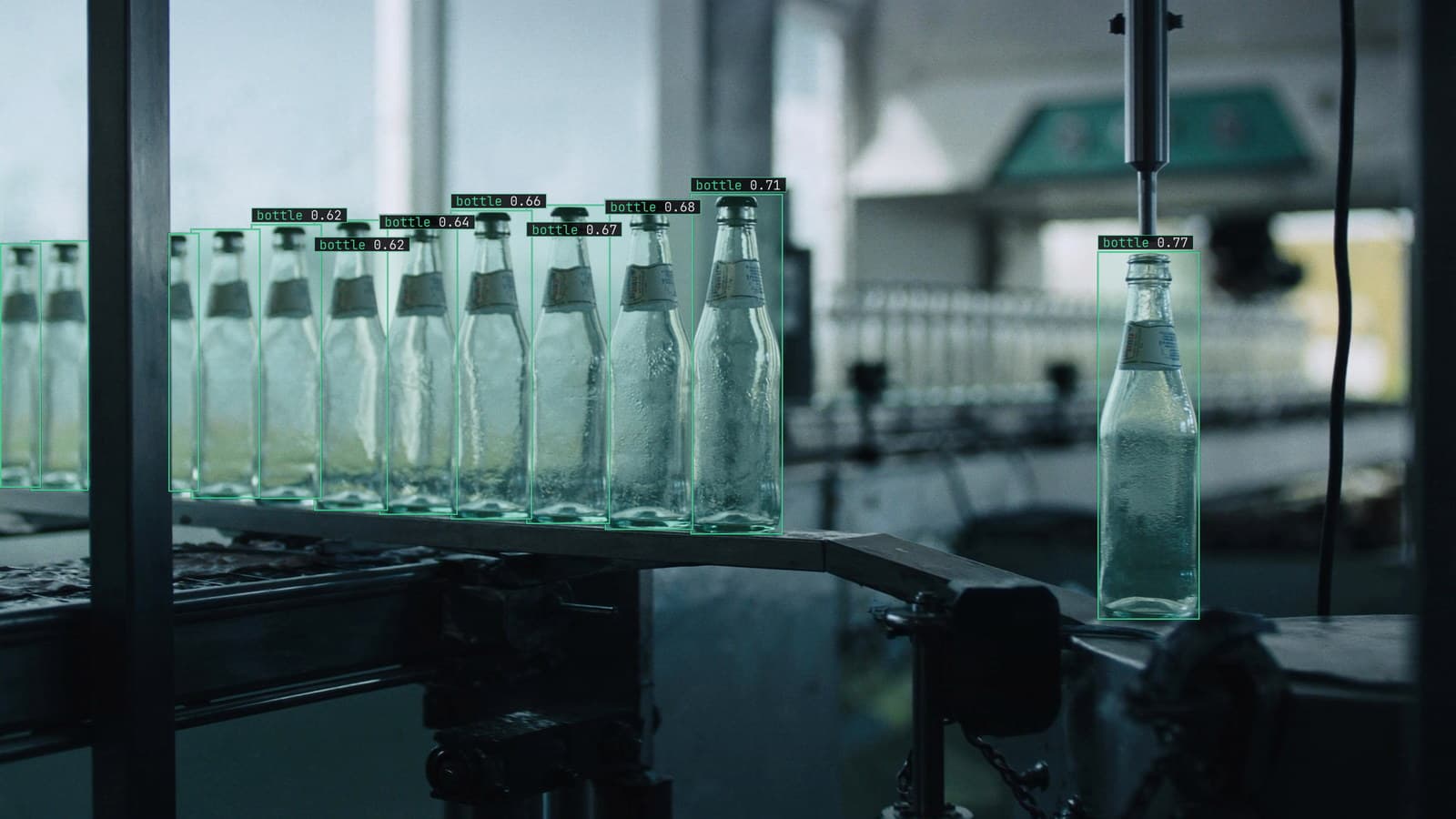
Counting objects on a conveyor belt without counting any of them twice
Bolts tracked across frames so each is counted once, touching parts as the label to settle, and a compression change as the step that breaks the count.
Finn Ellingwood · Sep 26, 2026
Industries · 7 min read
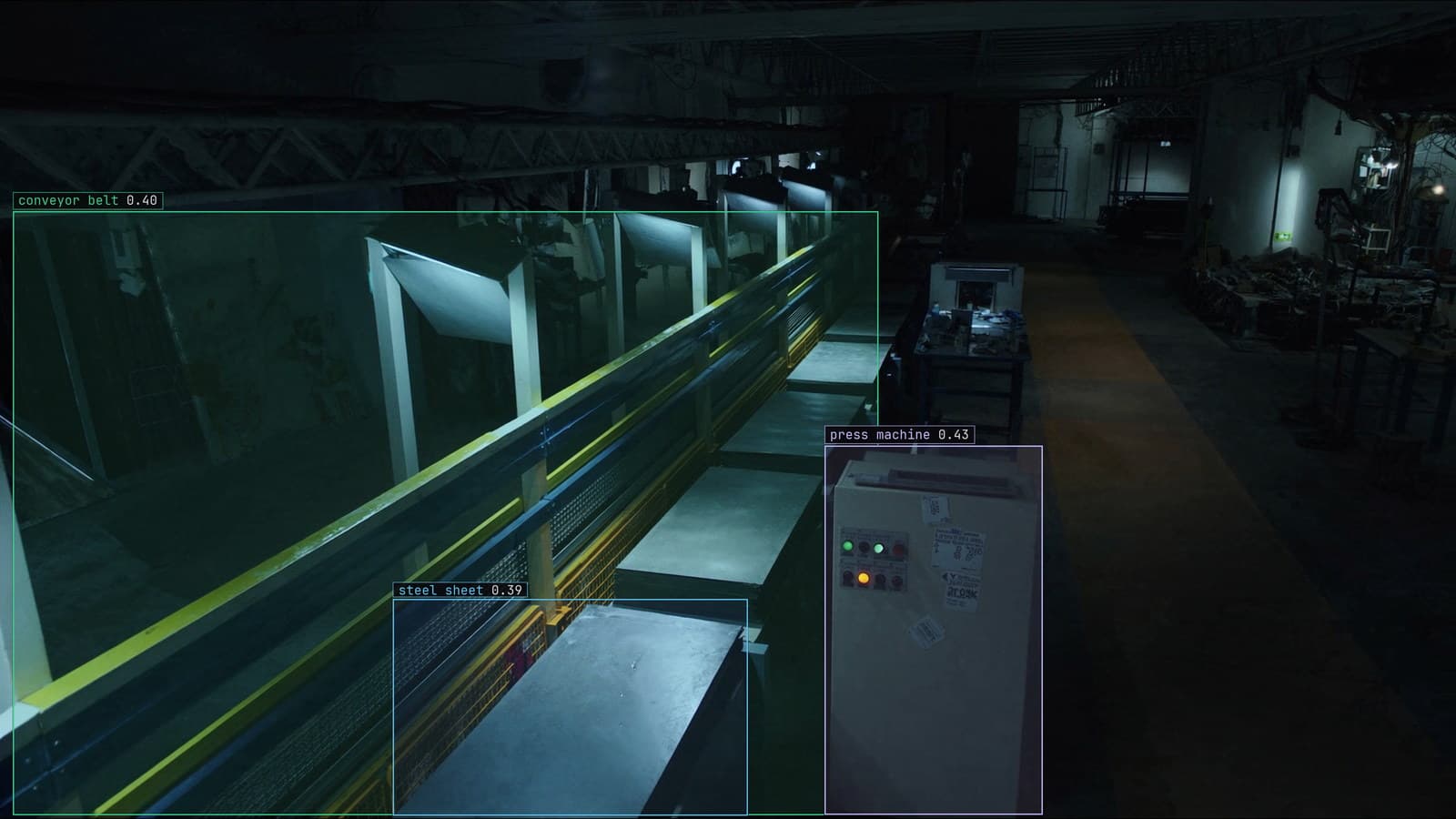
Dimensional defect inspection at the press outfeed, for the bracket that looks perfect and will not fit
Hole spacing, gap width and alignment measured on every part against tolerance, a drifting tool offset caught as a slope, and a new die labeled before the run.
Finn Ellingwood · Sep 26, 2026
Industries · 7 min read
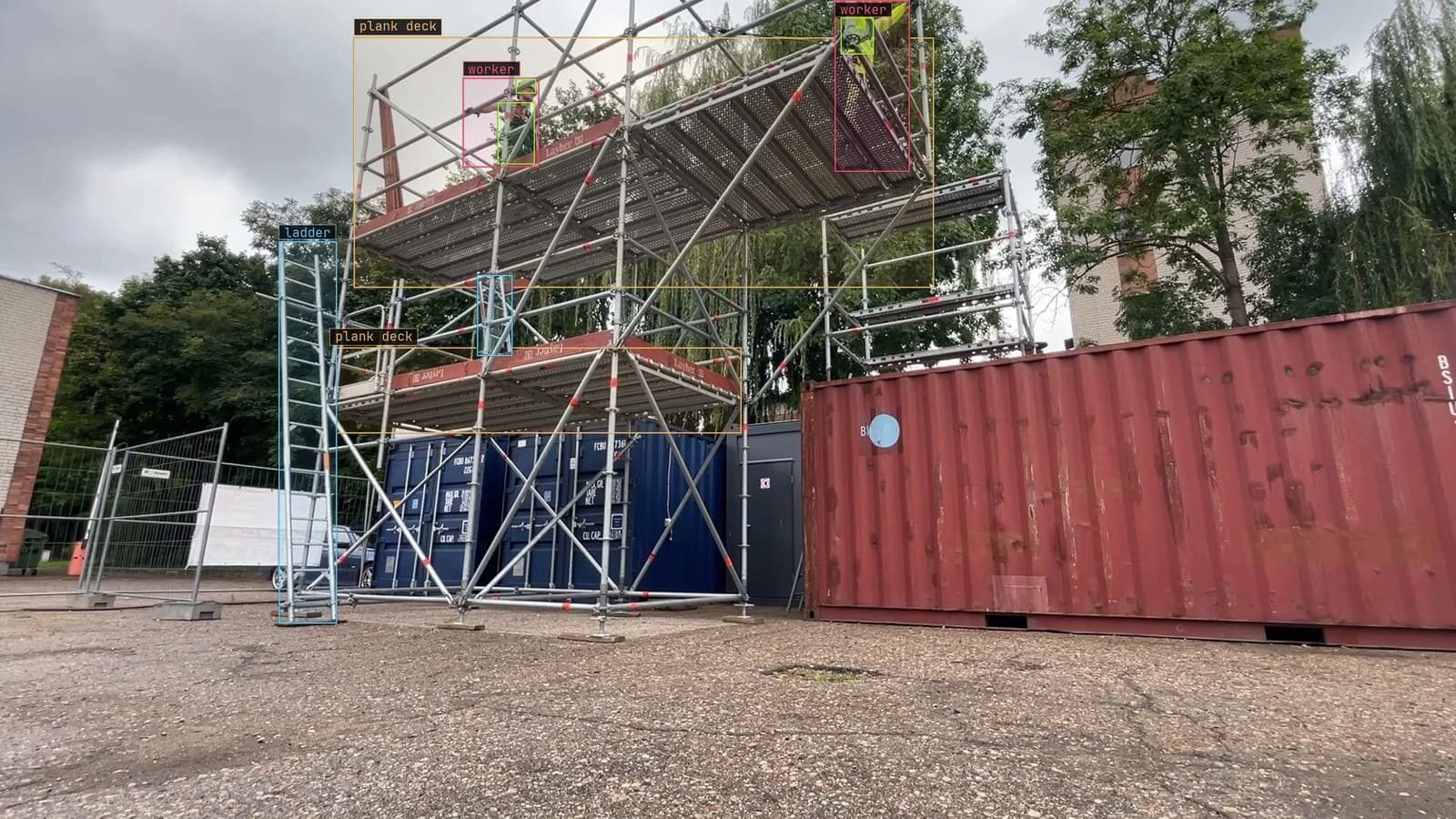
Rebar counting from one photo of the bundle end, with a bounding box on every bar and a record for the ticket
A camera over the saw end of the bundle, a box on every bar, the count checked against the delivery ticket, and a re-mounted camera as the drift to expect.
Finn Ellingwood · Sep 26, 2026
Industries · 7 min read
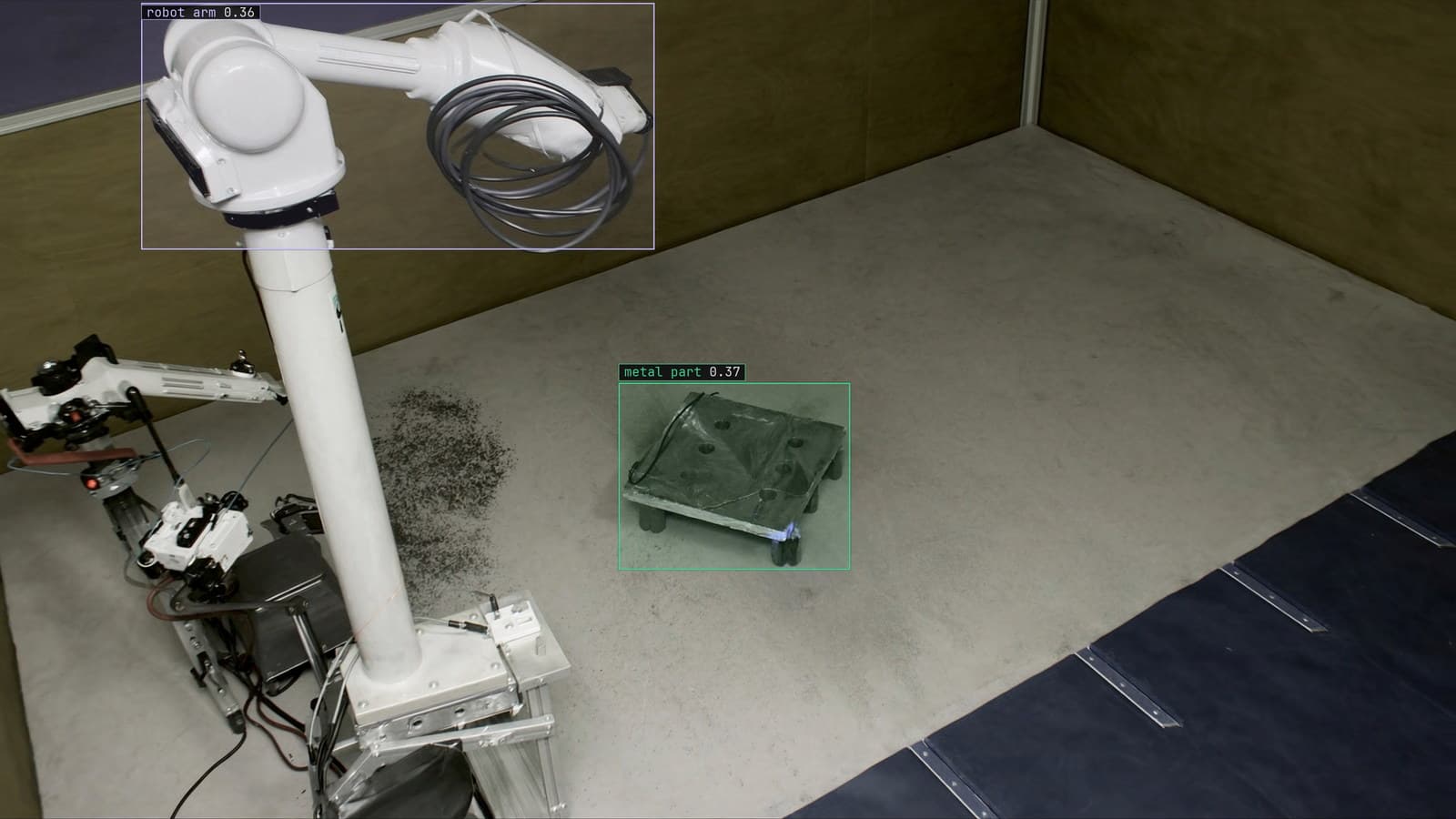
Body-in-white inspection with a station camera on unpainted steel
Dents on a bare body shell hide in the reflections. Masks give the extent, a second pass decides reportable, and a tightened tolerance is a spec change.
Finn Ellingwood · Sep 25, 2026
Industries · 8 min read
Semiconductor wafer inspection with a bright-field camera at intake
A cracked wafer rejected at intake costs a wafer. Found after lithography it costs every step spent on it. Three classes, and masks where extent decides.
Finn Ellingwood · Sep 25, 2026
Industries · 7 min read
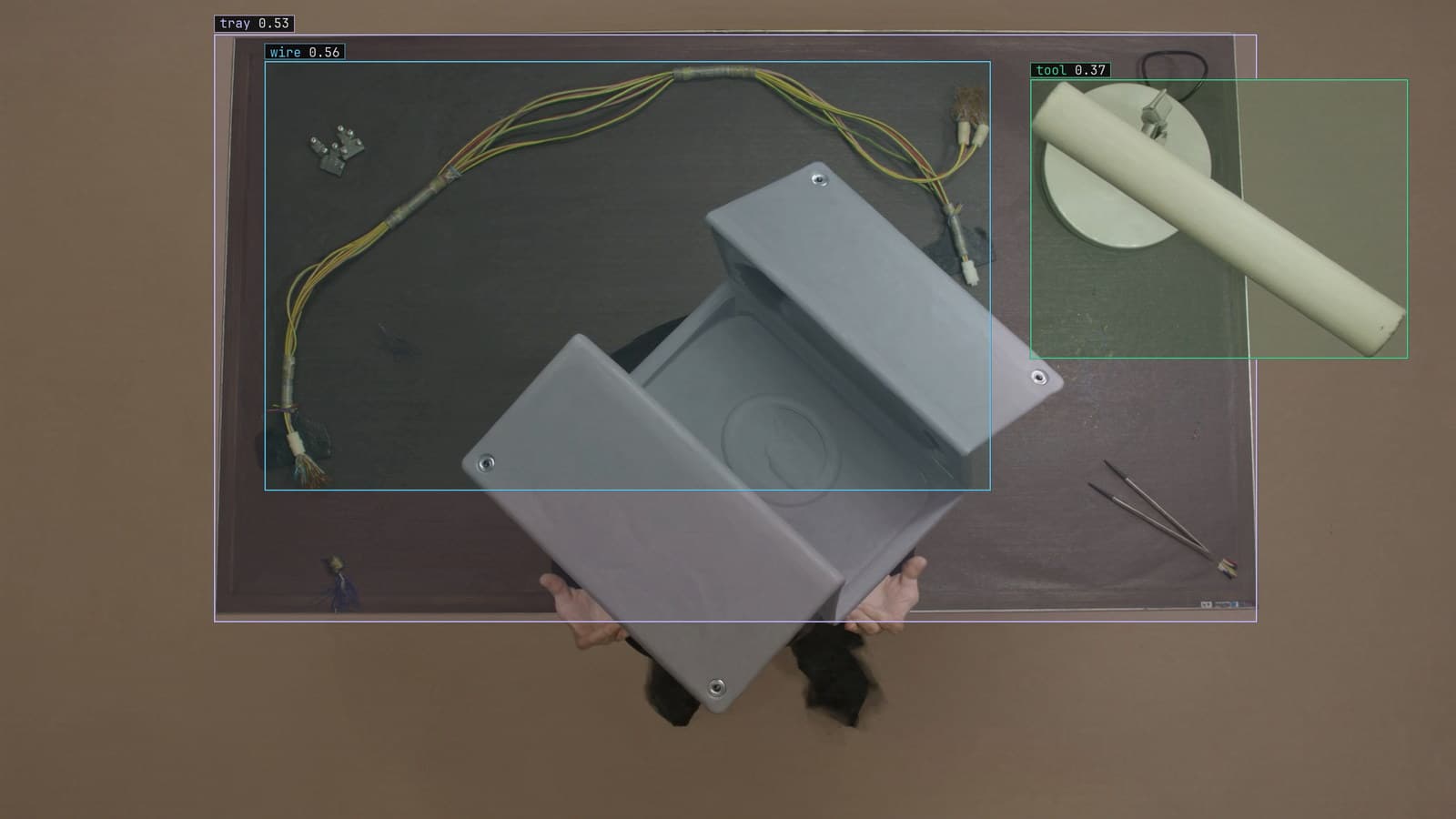
Manual assembly QA with a camera that catches the wrong part in the assembler's hand
A camera over the bench boxes and names the part in hand, checks it against the next step, and lights a lamp before the next screw goes in.
Finn Ellingwood · Sep 25, 2026
Industries · 6 min read
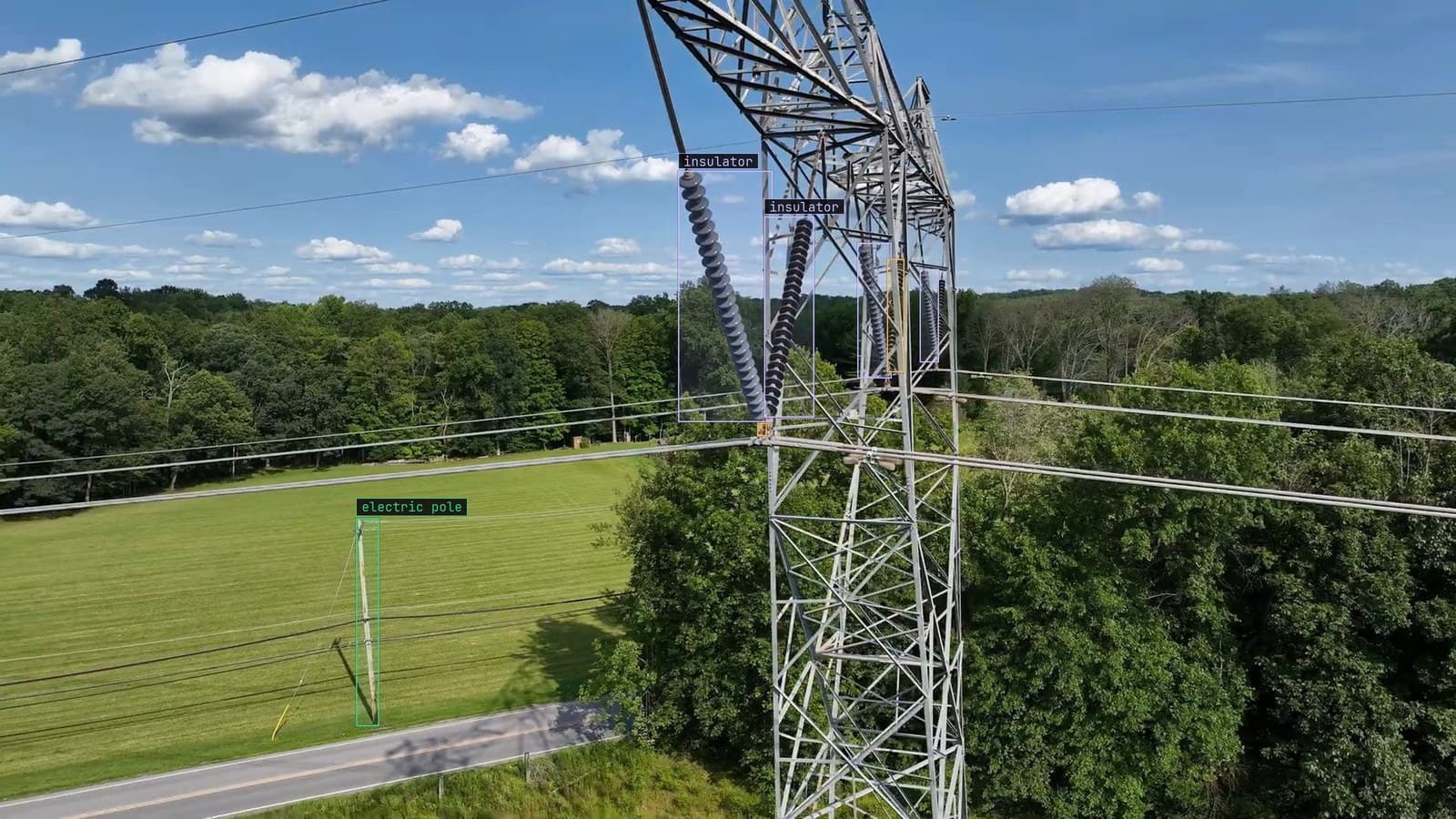
Telecom tower inspection for corrosion, measured as area from a drone pass up the legs
Rust on a lattice tower as a mask so two flights can be compared, the member it sits on as the priority, and salt haze as the frames the model has seen least.
Finn Ellingwood · Sep 24, 2026
Industries · 6 min read
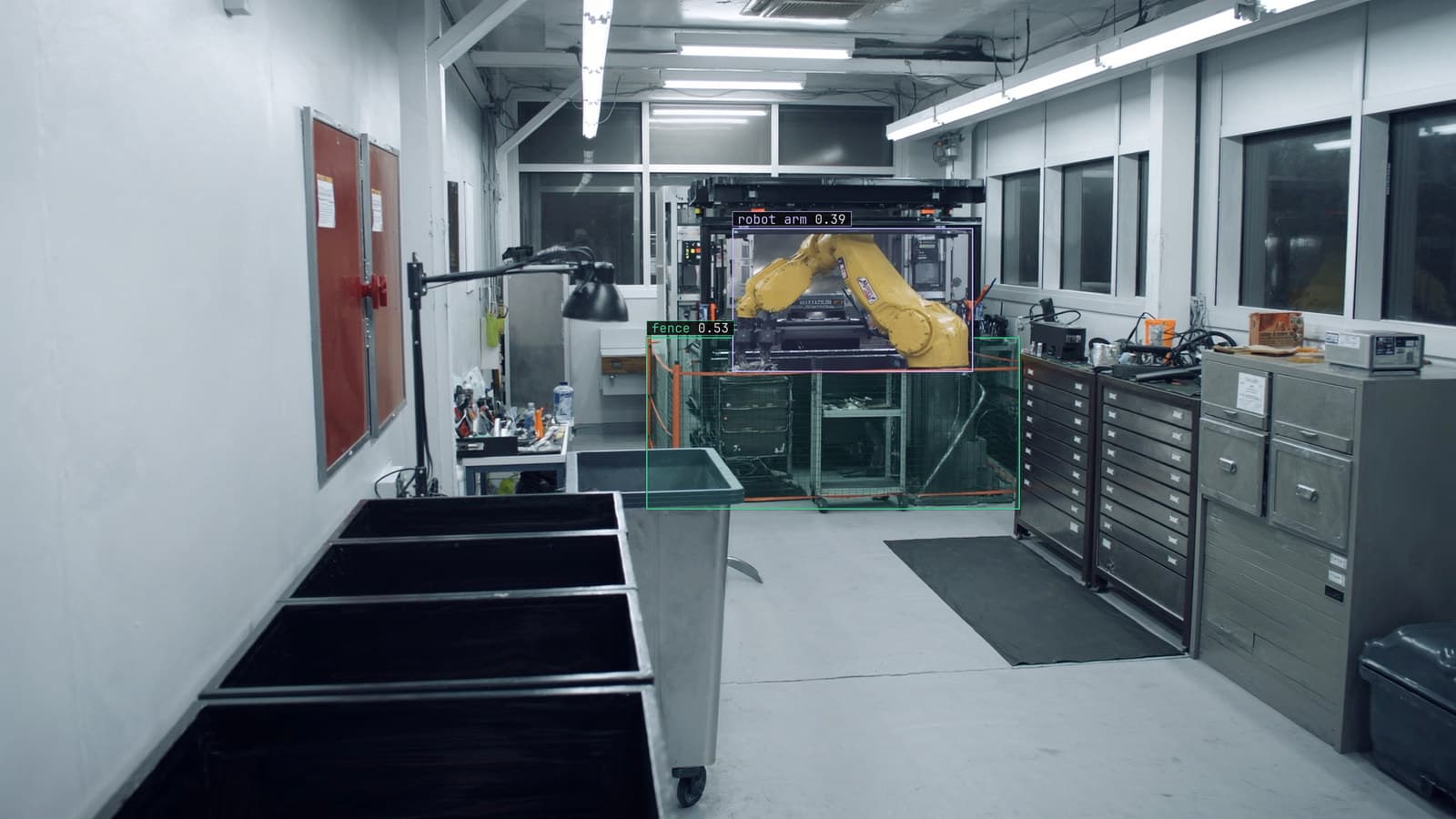
Vision guided robotics, giving the robot a reason to look before it moves
A casting a few millimetres off its nest stops a blind program. The camera-guided one finds the part, estimates its pose and adjusts, until the mount is bumped.
Finn Ellingwood · Sep 24, 2026
Industries · 6 min read
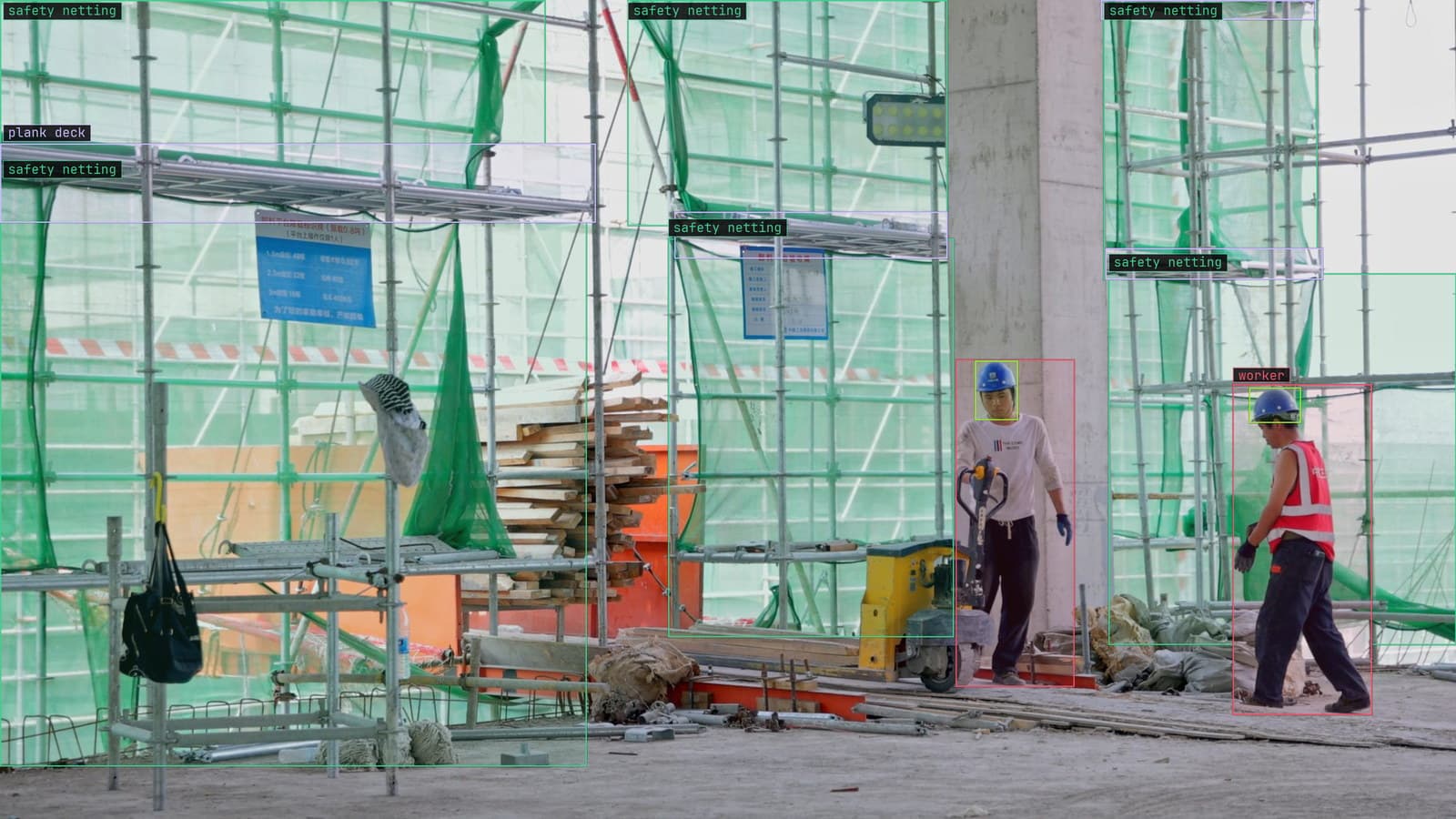
PPE detection in production, deciding who is wearing the hard hat
A gate camera, three classes and a spatial rule decide compliance per person. The hard hat carried in a hand is the label that decides whether the model holds.
Finn Ellingwood · Sep 23, 2026
Industries · 6 min read
Vision AI for factory robots, picking from a bin nobody arranged
A cell camera over a bin of oily sheet metal blanks, each found with its position and rotation for the arm, and the new part number labeled before changeover.
Finn Ellingwood · Sep 23, 2026